Best TVs for Movie Watching 2026: Cinema Quality at Home
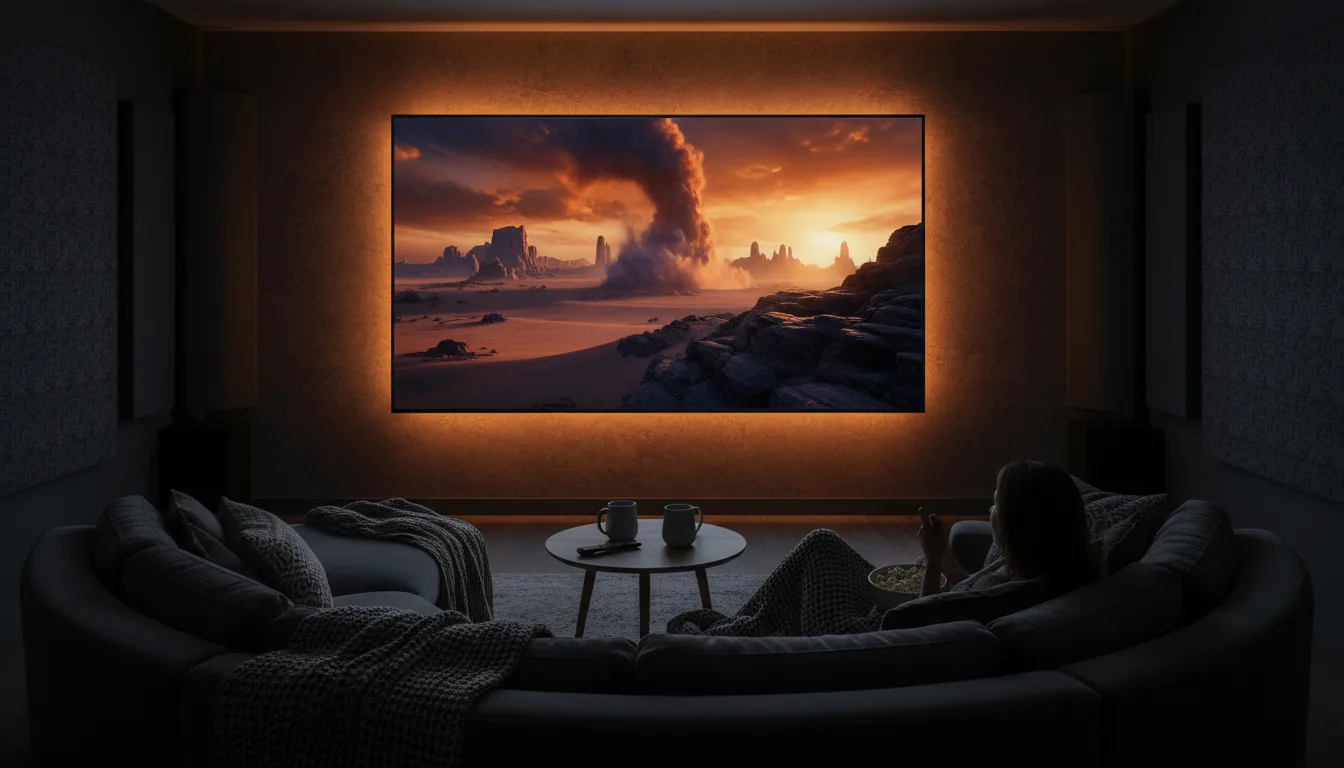
A great movie TV turns your living room into a cinema. Deep blacks that make space scenes actually look like space. Colors wide enough that sunsets glow instead of looking flat. HDR bright enough that explosions have real impact. We ranked 57 TVs and picked the ones that handle film content — 24fps cadence, Dolby Vision mastering, and dark-scene shadow detail — better than the rest.
What Makes a TV Great for Movies
Gaming TVs optimize for speed — low input lag, high refresh rates, fast pixel response. Movie TVs optimize for picture quality — contrast depth, color accuracy, black levels, and motion handling at 24fps. These are different priorities, and the best gaming TV is not always the best movie TV.
Three specs separate a good movie TV from a great one:
- Contrast ratio — The gap between the darkest black and the brightest white the TV can produce simultaneously. OLED has infinite contrast (pixels turn completely off). Mini-LED with hundreds of dimming zones approaches it. Standard LED TVs show backlight glow in dark scenes. Worried about OLED longevity? Our burn-in guide covers the real risks.
- Color volume — How much of the DCI-P3 color space the TV can reproduce, and at what brightness levels. Movies mastered in Dolby Vision use this wider palette — our HDR formats guide explains which formats matter most. TVs covering 95%+ of DCI-P3 show the filmmaker's intended colors.
- 24p handling — Movies are shot at 24 frames per second. Some TVs introduce judder (a slight stutter on horizontal panning shots) when displaying 24p content. Good movie TVs either display native 24p or use frame interpolation that eliminates judder without the soap opera effect.
Most premium TVs now include Filmmaker Mode — a picture preset that disables motion smoothing, overscan, and noise reduction while maintaining the director's intended color temperature and aspect ratio. Enable it for movies and you skip the calibration guesswork. Samsung, LG, and Sony all support it on their 2024-2025 models.
OLED vs Mini-LED for Movies: The Honest Answer
OLED wins for dark-room movie watching. Full stop. Per-pixel dimming means a star field is white dots on absolute blackness — no halo, no glow, no approximation. Dark scenes in films like Dune or Oppenheimer reveal details in the shadows that Mini-LED TVs simply cannot reproduce because their backlight zones bleed into adjacent areas.
Mini-LED wins on brightness. In HDR content, the sun glinting off water, an explosion filling the screen, or a neon cityscape — Mini-LED TVs at 2,000+ nits make these highlights physically brighter and more impactful than any OLED. If you are weighing the investment, our guide on whether OLED is worth it breaks down the real-world value. The LG G5 at 1,800 nits narrows this gap, but mainstream OLEDs at 800-1,000 nits still fall noticeably behind.
For a dedicated, light-controlled home theater: OLED. For a living room where you also watch daytime TV and sports: Mini-LED. For the rare buyer who wants both and can pay for it: the LG G5 Tandem OLED. For the full technology breakdown, see our OLED vs Mini-LED comparison.
Our Top Picks for Movie Watching
1. LG 55" OLED evo C5 Smart TV (2025) — Best Movie TV Under $1,500
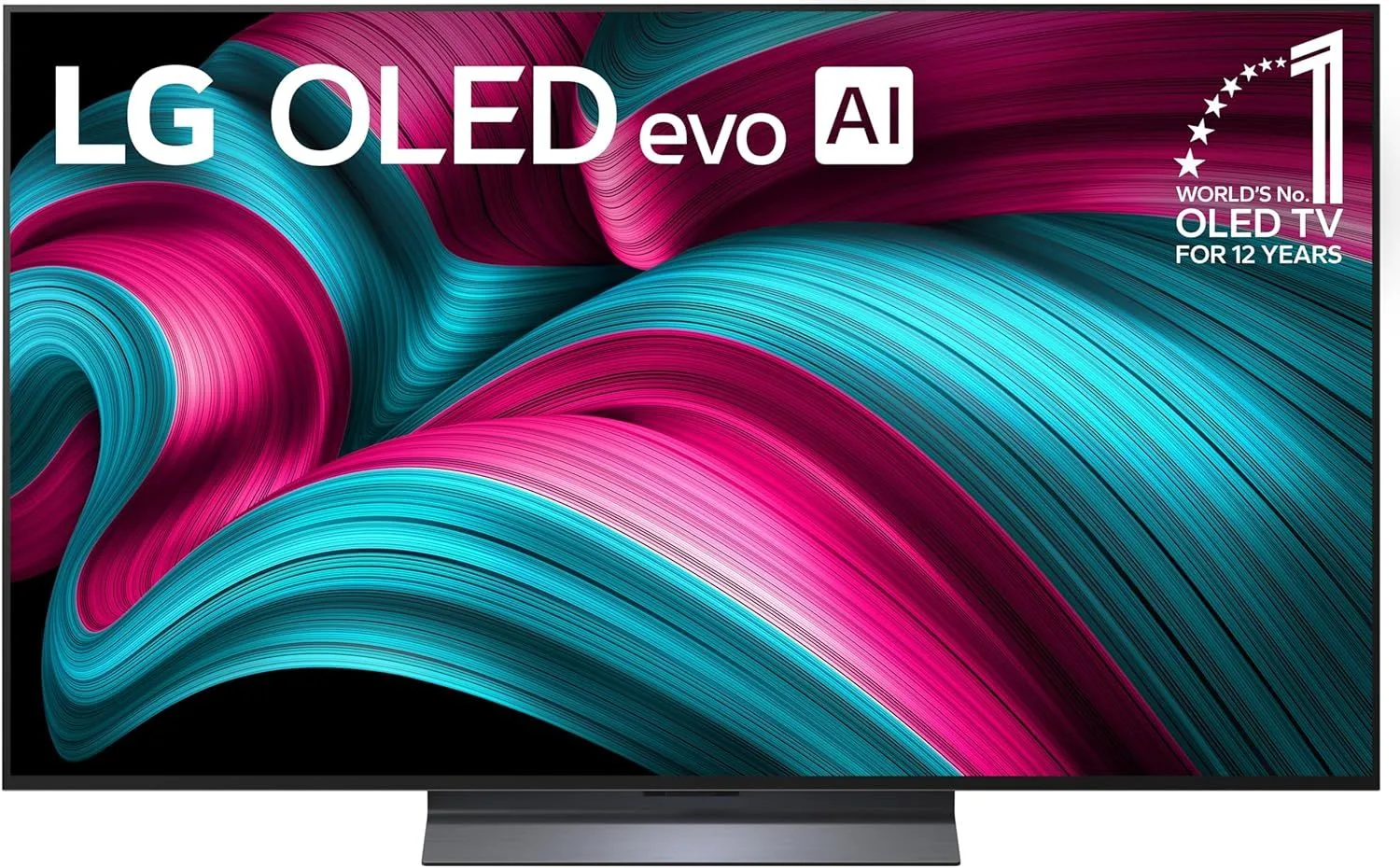
The C5 is the movie lover's sweet spot. OLED with per-pixel dimming, perfect blacks, and wide color coverage at a price that does not require justifying to a partner. Dolby Vision, Dolby Atmos, and four HDMI 2.1 ports make it future-proof for streaming and physical media alike.
At 55 inches and $800–$1,200, the C5 delivers 95% of what LG's flagship G5 offers at roughly half the price. The brightness is lower — around 1,000 nits versus 1,800 — but in a dimmed room, you will not notice the difference during actual movie viewing. Read our full review.
2. LG 55" OLED evo G5 Gallery Smart TV (2025) — Best Movie TV Period
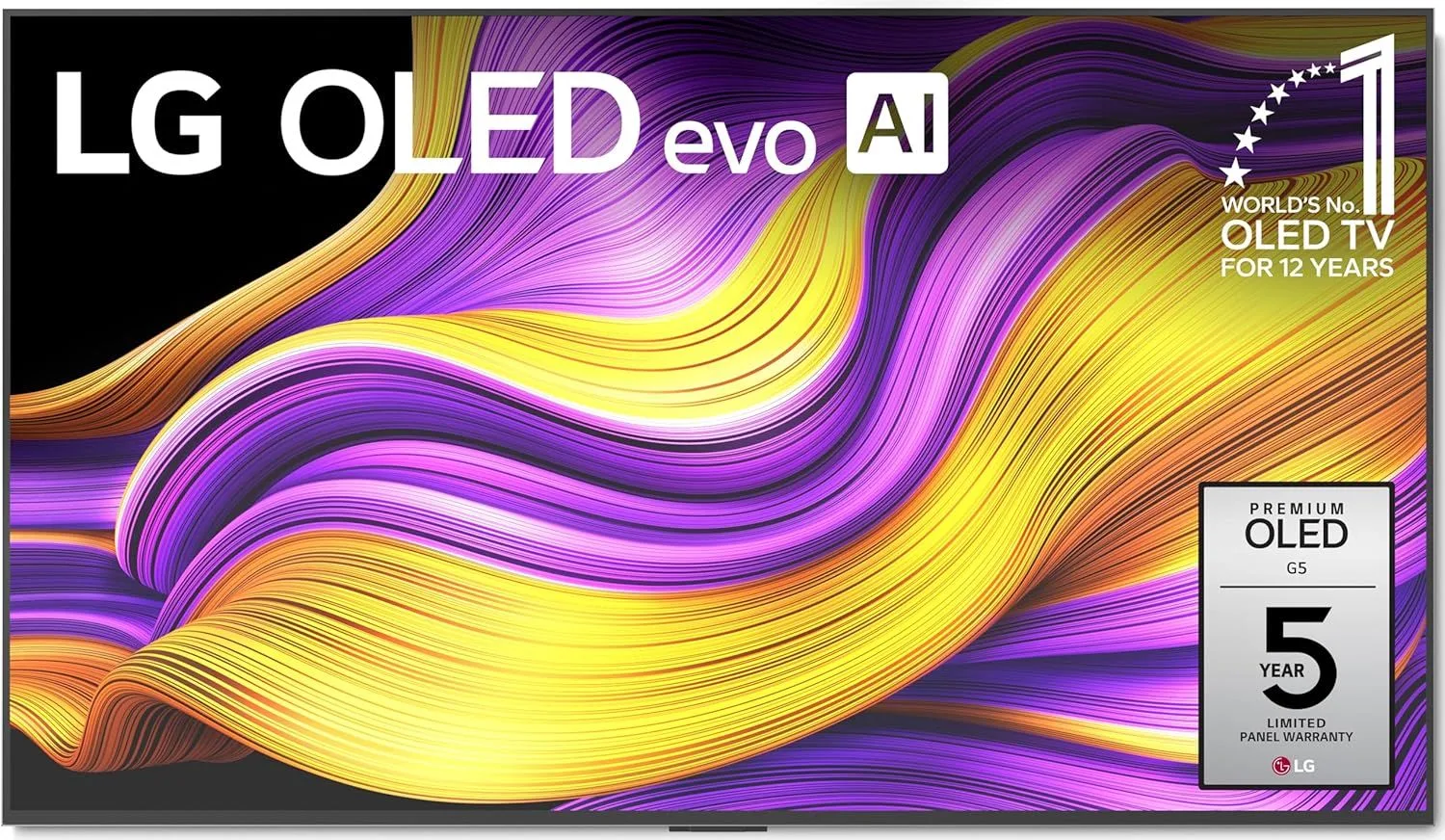
If budget is not the constraint, the G5 is the best TV for movies you can buy. Tandem OLED doubles the light output to 1,800 nits while keeping perfect blacks. HDR highlights on this panel are physically brighter than any previous OLED — the sun in a movie scene actually feels warm. The Gallery Design sits flush against the wall, and the anti-reflection coating handles ambient light better than any OLED before it.
At $1,200–$1,800, the G5 is a premium investment. It makes sense for dedicated cinephiles who watch movies in a controlled environment and want the absolute best picture quality available. Read our full review.
3. TCL 65" QM7K QD-Mini LED 144Hz Smart TV — Best Mini-LED for Movies
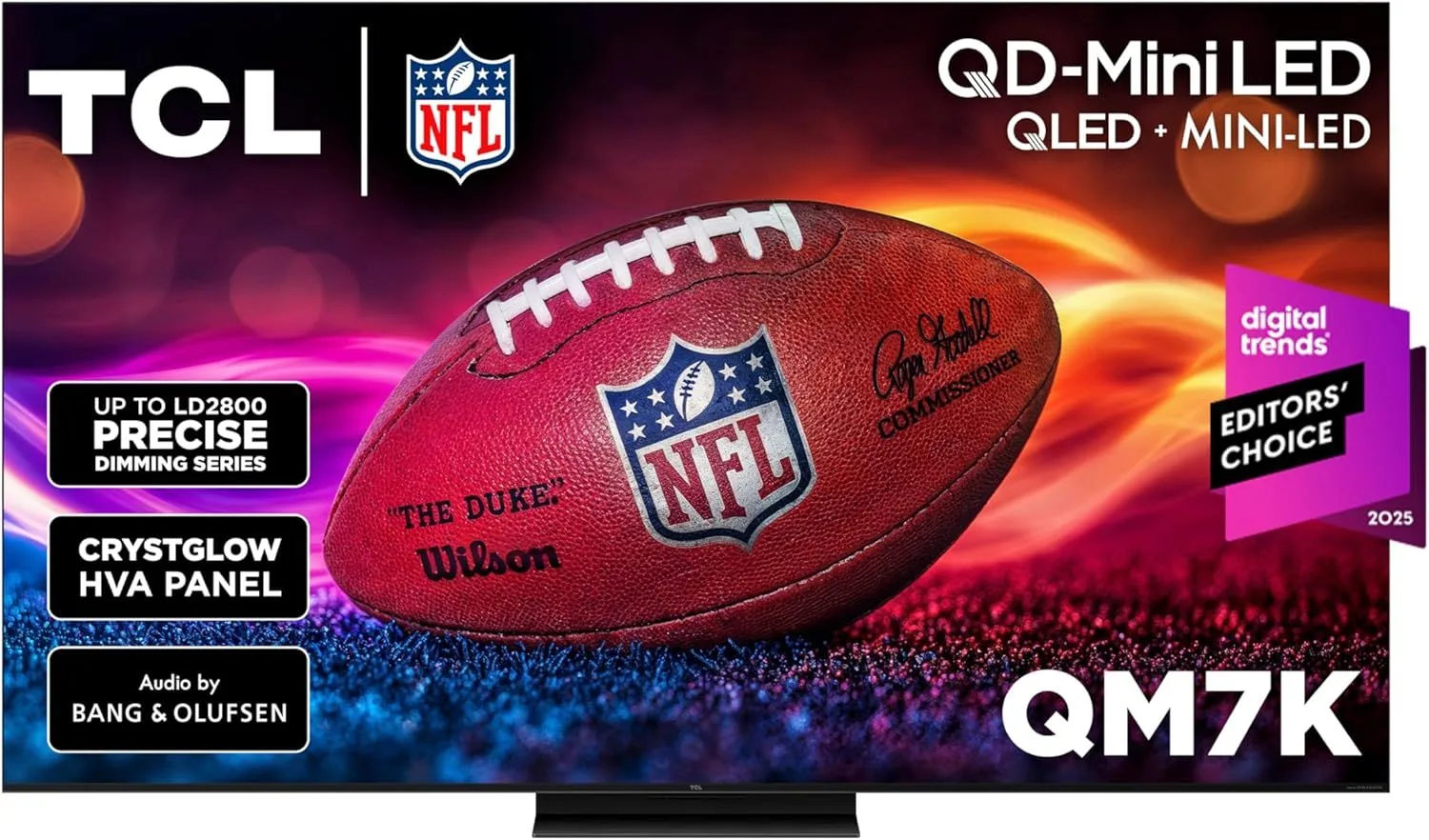
Not everyone wants OLED, and not every room is dark. The QM7K delivers roughly 2,000 nits of brightness with 1,000+ dimming zones — HDR movie highlights pop off the screen in a way that makes action sequences feel visceral. Dolby Vision support means Netflix and Disney+ content looks its best.
The trade-off is local dimming blooming in very dark scenes — bright objects next to dark areas show a slight halo that OLED avoids entirely. For mixed living room use where the TV also handles sports, gaming, and daytime viewing, the QM7K is the better all-rounder at $800–$1,200. Read our full review.
4. Sony 55" BRAVIA 3 4K LED Smart Google TV — Best Budget Movie TV
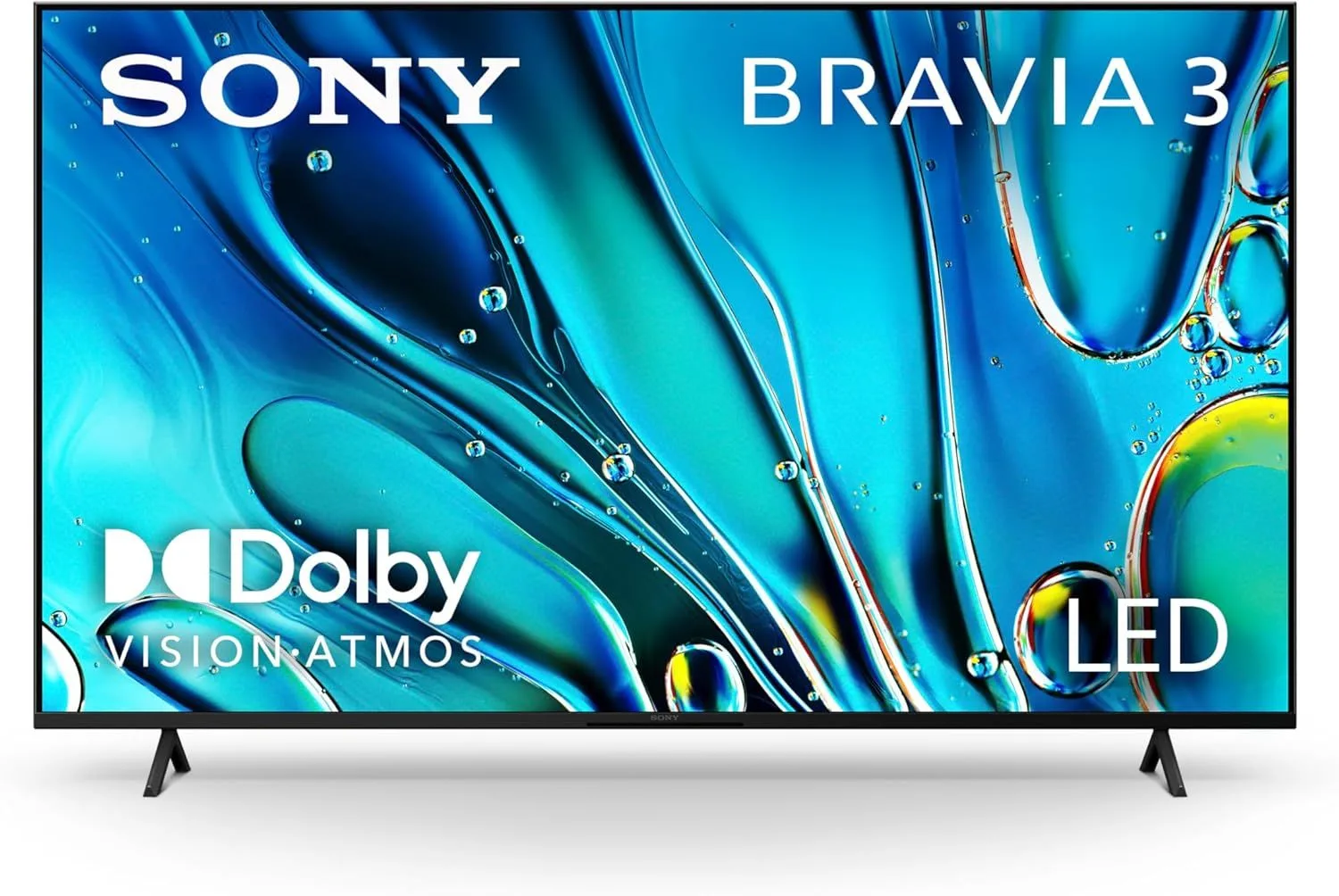
Sony's X1 processor delivers the best image processing in the budget tier. Colors are more accurate out of the box than any competitor at this price — skin tones look natural, not oversaturated. Dolby Vision support and Google TV's streaming interface round out the package.
The BRAVIA 3 is a 60Hz LED panel, which means no gaming advantages and limited brightness for HDR. But for a pure movie-watching TV where processing quality and color accuracy matter more than peak brightness, the X1 chip punches well above the $500–$800 price tier. Read our full review.
5. Hisense 65" U75QG Mini-LED 144Hz Smart Google TV — Best Value Big Screen for Movies
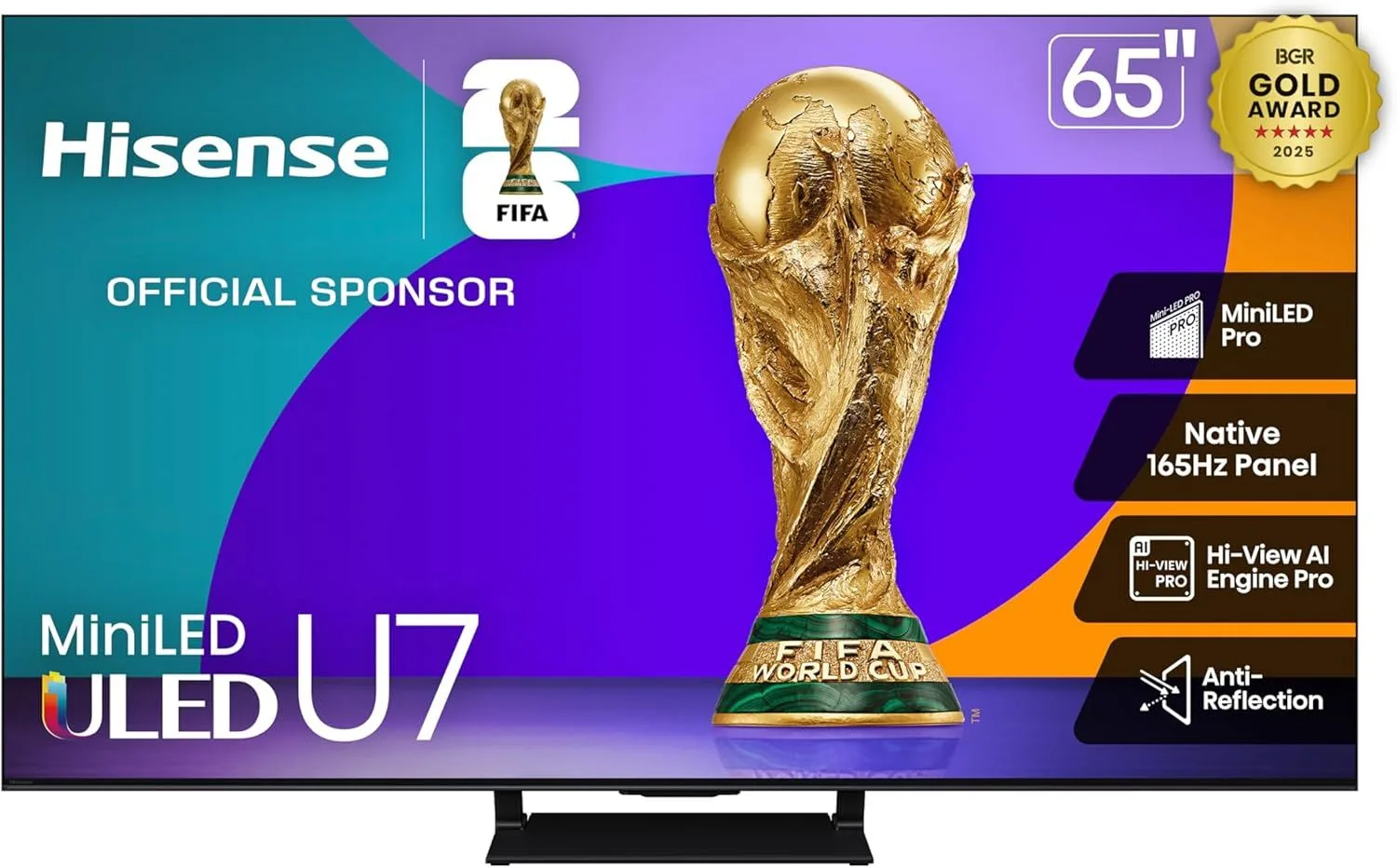
Screen size matters for cinematic immersion. The U75QG delivers 65 inches of Mini-LED panel with approximately 1,800 nits of brightness and 800 dimming zones at a mid-range price. Dolby Vision, VRR, and a 120Hz panel make it a capable all-rounder.
The viewing angles are narrower than competitors — sit directly in front for the best picture. But for a dedicated movie seat in a medium to large room, the U75QG delivers impressive screen real estate at $500–$800. Read our full review.
6. Samsung 75" QN90F Neo QLED 4K Mini LED Smart TV (2025) — Best 75" Movie TV
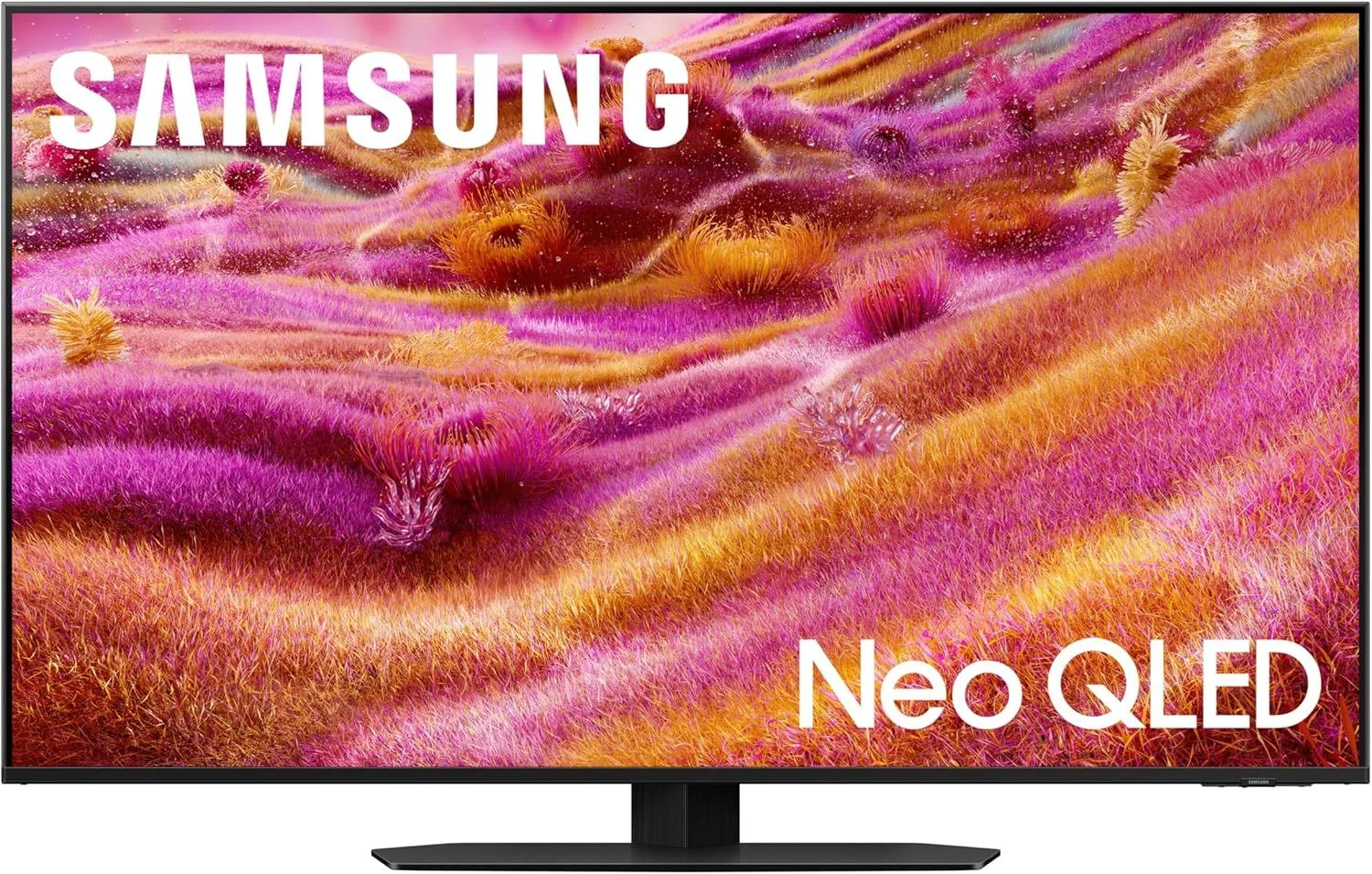
At 75 inches, the QN90F fills a large room with Mini-LED picture quality, 144Hz gaming capability, and Samsung's anti-reflection coating. Object Tracking Sound+ with 60W of built-in Dolby Atmos audio means you may not need a separate soundbar — a rarity for built-in TV speakers.
Samsung's lack of Dolby Vision is a real downside for movie purists — you are limited to HDR10+ on the Samsung ecosystem. But the raw picture quality, brightness, and 75-inch immersion factor make it a strong choice at $1,200–$1,800. The QN90F is also our top pick for bright room viewing. Read our full review.
Setting Up Your TV for Movies
Picture Mode: Filmmaker Mode or Cinema
Out of the box, most TVs ship in "Vivid" or "Standard" mode — oversaturated, over-sharpened, and motion-smoothed. For movies, switch to Filmmaker Mode (if available) or Cinema/Movie mode. This disables post-processing and sets the color temperature to D65 (6500K), matching the standard that movie studios use for mastering.
Find the motion interpolation setting (Samsung: Auto Motion Plus, LG: TruMotion, Sony: Motionflow, TCL: Action Smoothing) and turn it completely off. Not "Auto," not "Low" — off. Any level of motion smoothing makes 24fps film content look like it was shot on a camcorder. This is the single biggest picture quality improvement most people can make.
Room Lighting: Dim Is Better Than Dark
A completely dark room causes eye strain during long viewing sessions because your pupils dilate fully and the bright screen becomes uncomfortable. The ideal setup is a dimmed room with soft bias lighting behind the TV — this reduces eye strain, improves perceived contrast, and creates the ambient atmosphere of a real cinema.
Bias lighting tip: Use a warm-white (2700-3000K) LED strip behind the TV at about 10% of the screen's peak brightness. This raises the ambient light level around the screen just enough to reduce eye fatigue without washing out the picture. Avoid colored LED strips — they shift your color perception and make the TV's calibration inaccurate.
Sound: The Upgrade That Matters Most
Built-in TV speakers are fundamentally limited by the thin enclosure they sit in — there is no space for bass response or spatial separation. Even a budget soundbar in the $100-200 range dramatically improves dialog clarity, bass impact, and spatial immersion during movie watching.
For serious home theater, a 5.1 surround system or a Dolby Atmos soundbar with upfiring speakers transforms the experience. The sound of rain falling behind you, a helicopter flying overhead, or a door creaking to your left — spatial audio puts you inside the movie in a way that stereo TV speakers physically cannot.
Streaming Quality: Not All 4K Is Equal
Netflix 4K Dolby Vision streams at roughly 15 Mbps. A 4K Blu-ray disc delivers 80-128 Mbps — five to eight times the data rate. The difference is visible: more detail in textures, less compression artifacts in dark scenes, and wider color gradients without banding. If you are investing in a premium TV, consider a 4K Blu-ray player for reference-quality movies. Streaming is convenient but not the same experience.
Among streaming services, Apple TV+ and Disney+ generally deliver the highest-quality Dolby Vision streams. Netflix varies by title. Amazon Prime Video is inconsistent. For the best streaming picture quality, ensure your internet connection delivers at least 25 Mbps consistently — buffering or bitrate drops during a movie are worse than slightly lower resolution.
Frequently Asked Questions
Is OLED or Mini-LED better for movies?
OLED delivers perfect blacks and infinite contrast, which makes dark movie scenes look stunning — every shadow has detail without backlight glow. Mini-LED gets significantly brighter, making HDR highlights more impactful. For dark-room movie watching, OLED wins. For bright rooms or mixed use, Mini-LED is more versatile. A dimmed room with an OLED is the gold standard for cinema quality.
Does Dolby Vision matter for movies?
Dolby Vision is the premium HDR format used by Netflix, Disney+, Apple TV+, and most 4K Blu-ray releases. It uses dynamic metadata to optimize each scene individually, versus HDR10's static metadata for the entire film. On a capable TV, Dolby Vision produces noticeably better highlights and shadow detail. Samsung TVs use HDR10+ instead — a similar dynamic format but with less content support.
What refresh rate do I need for movies?
Movies are shot at 24fps, so a 60Hz TV handles them perfectly. The 120Hz and 144Hz panels marketed for gaming offer no advantage for film content. Some 120Hz TVs improve 24p judder handling (the slight stutter visible in panning shots), but this is a processing feature, not a panel requirement. Do not pay extra for 120Hz if movies are your only use case.
Should I turn on motion smoothing for movies?
No. Motion smoothing (Samsung Motion Rate, LG TruMotion, Sony Motionflow) interpolates extra frames, creating the "soap opera effect" that makes movies look like a daytime TV show. Filmmakers shoot at 24fps intentionally for cinematic motion. Turn it off in your TV's picture settings for the director's intended look.
How important is speaker quality for a movie TV?
Built-in TV speakers cannot reproduce the bass, spatial separation, or dynamic range that movies are mixed for. Even a $150 soundbar dramatically improves movie audio over any TV's built-in speakers. If you are serious about home cinema, budget for a soundbar or surround system alongside the TV — it transforms the experience more than upgrading the panel.
What is the best screen size for a home theater?
The Society of Motion Picture and Television Engineers recommends the screen fill 30 degrees of your field of view for a cinematic experience. At 8 feet viewing distance, a 65-inch TV achieves this. At 10 feet, you need 75-85 inches. A screen that is too small makes movies feel less immersive regardless of picture quality. Use the 1.5x rule: multiply your viewing distance in inches by 0.625 for the ideal screen size.
Your Home Cinema Starts Here
For most movie lovers, the LG 55" OLED C5 is the TV to beat — OLED blacks, Dolby Vision, and a price that does not require a second mortgage. On a tighter budget, the Sony 55" BRAVIA 3 delivers Sony's processing quality at a fraction of the cost. And for the buyer who wants the absolute best, the LG 55" OLED G5 is the finest movie TV available.
The TV We'd Buy for a Home Theater
For movie watching, our #1 recommendation:
LG 55" OLED evo C5 Smart TV (2025) OLED blacks, Dolby Vision, 120Hz — the movie lover's sweet spot Read Full Review →Compare the Best Movie TVs
Get Our Top 3 Picks
Get our top 3 picks for your budget — one email, then only updates.
Only when something changes. Unsubscribe anytime.