Independent Reviews • Data-Driven Testing • Zero Sponsorships
Smart TVs,
Honestly Compared
We rank and compare 55+ TVs across 5 categories — from sub-$300 budget picks to premium OLEDs. Real specs. Honest opinions. No sponsored rankings.
Our Top Picks
Tested, compared, and ranked — the best TVs for every type of viewer.
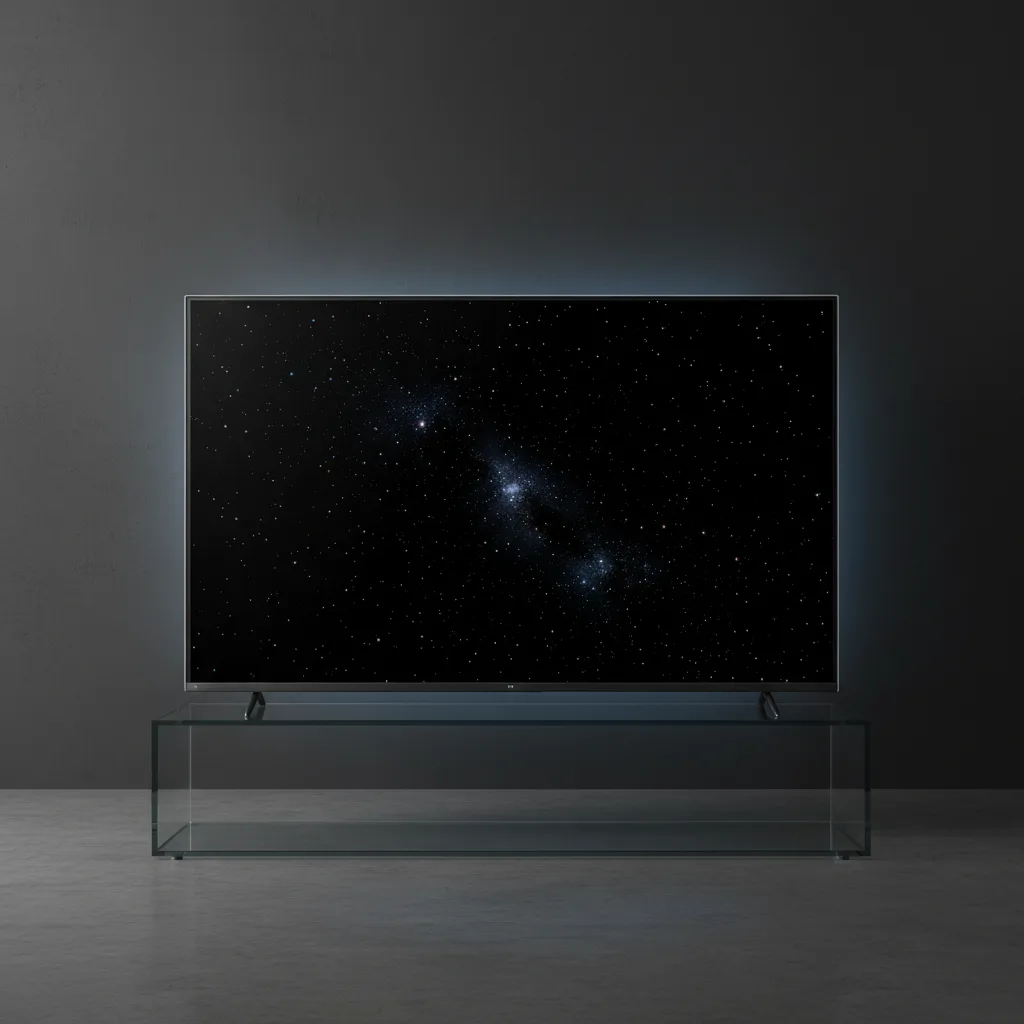
LG 55" OLED C5
The best all-around TV for most people — gaming, movies, streaming, sports
Read Review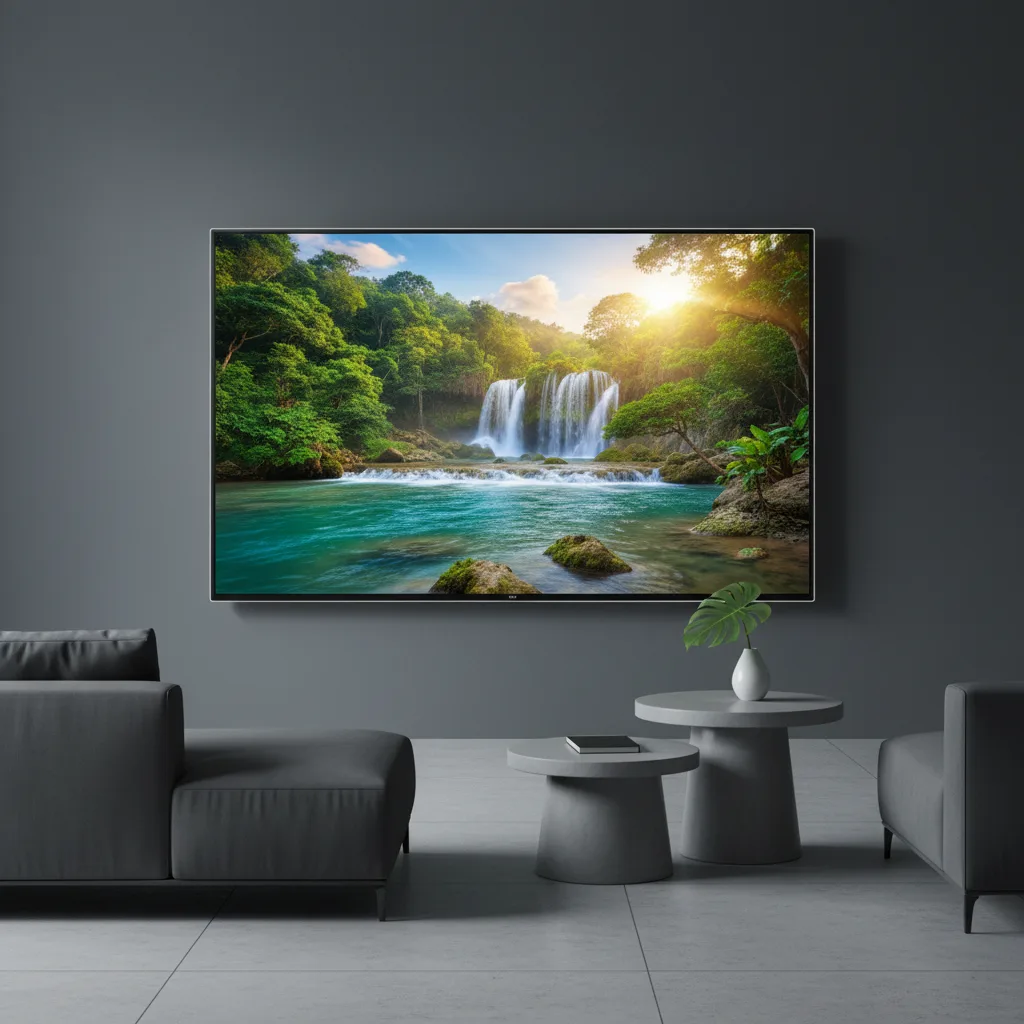
Hisense 65" U75QG
Enthusiasts wanting flagship-level Mini-LED specs at upper mid-range pricing
Read Review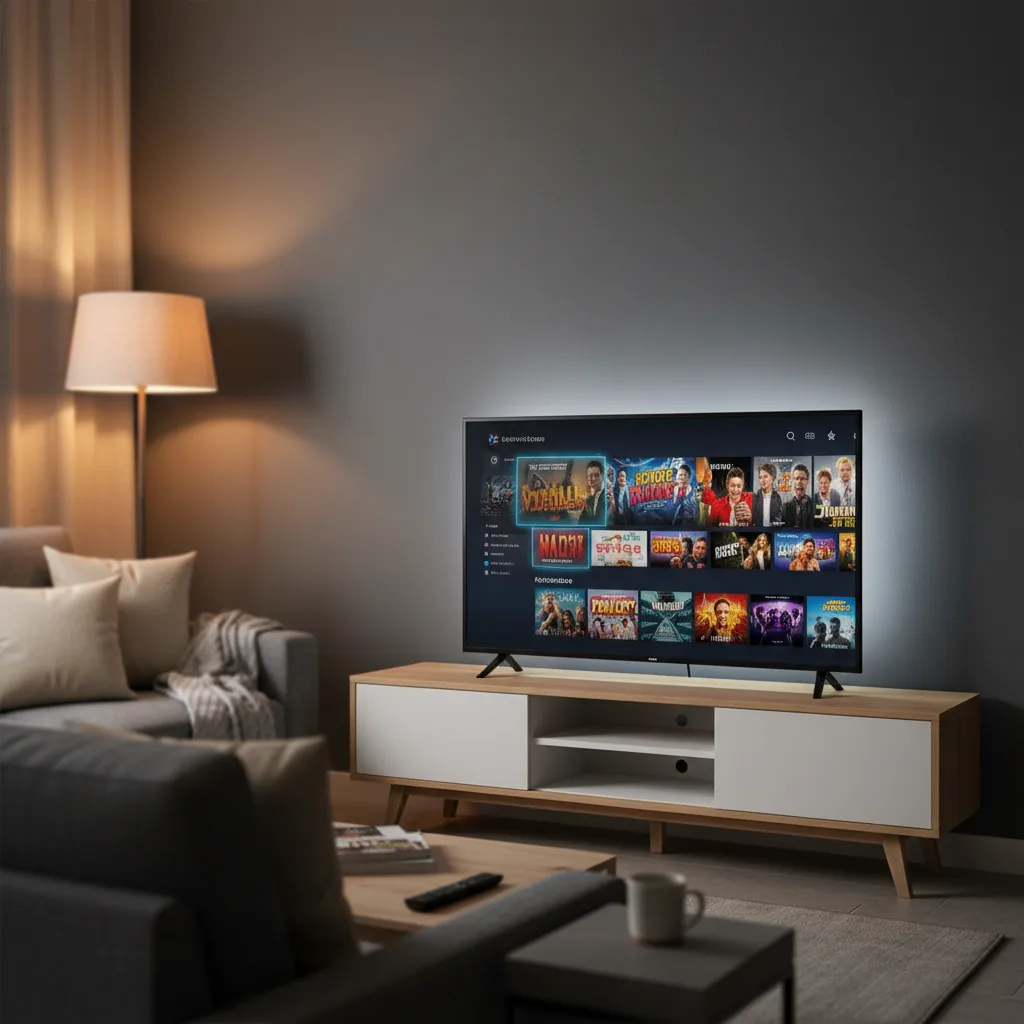
Toshiba 55" C350
Fire TV users who want Dolby Vision without stepping up to mid-range
Read Review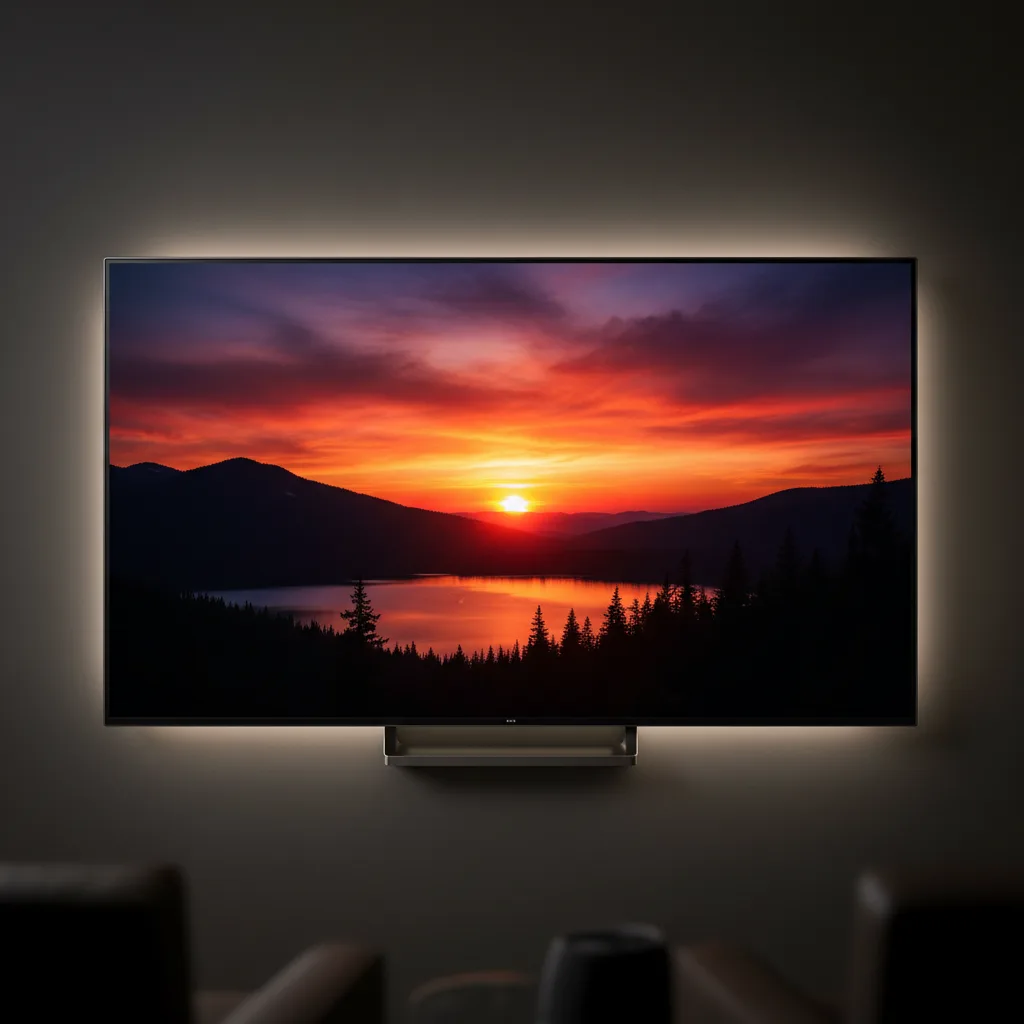
Samsung 65" QN70F
Bright room viewers who value Samsung's anti-reflection tech and ecosystem
Read ReviewFind Your Perfect TV
Browse by technology and budget to narrow down the right panel for your room.
Latest Reviews
In-depth reviews of the most popular TVs on the market right now.
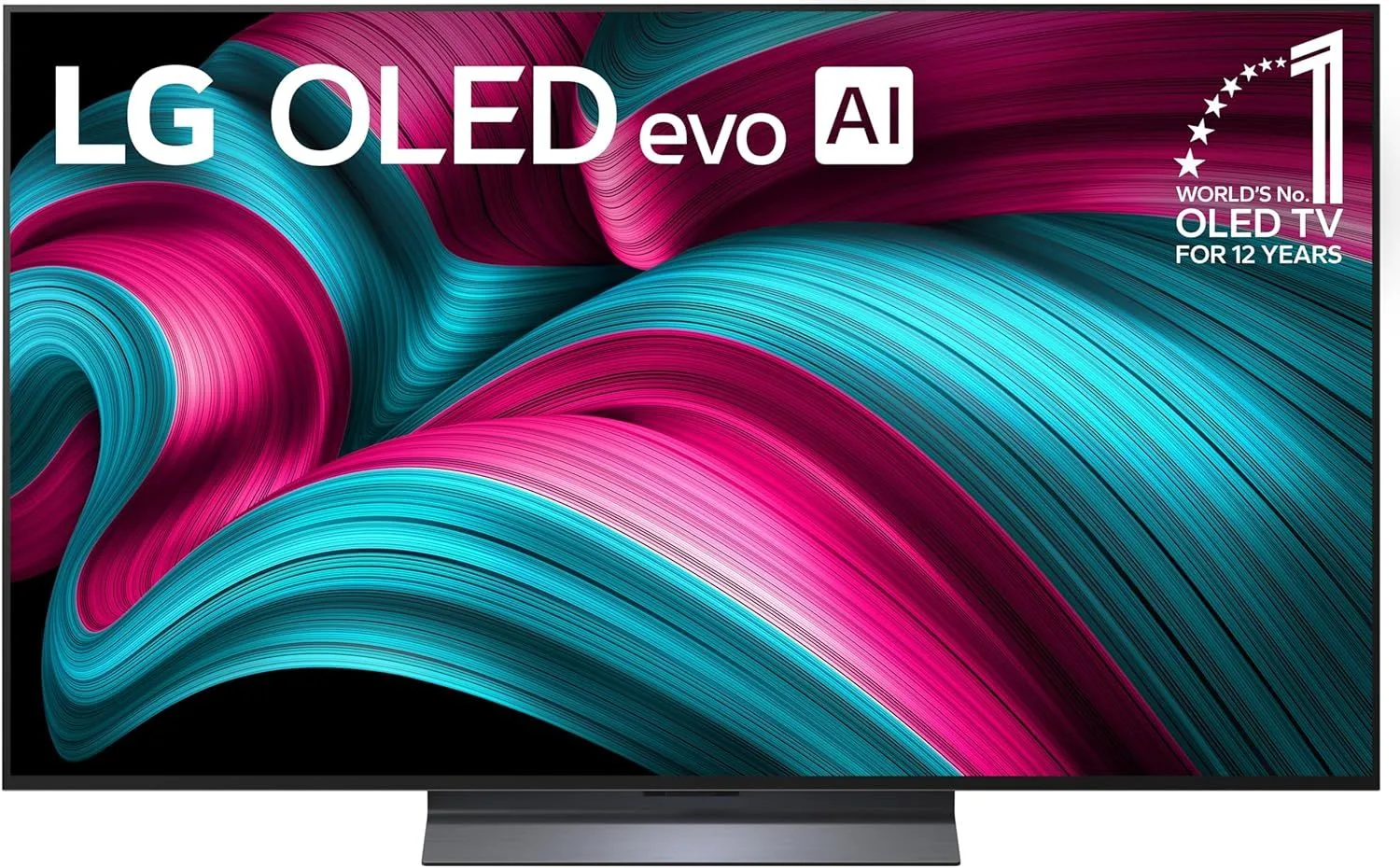
LG 55" OLED C5
The C5 is the TV we recommend to anyone who can afford OLED.
Read Review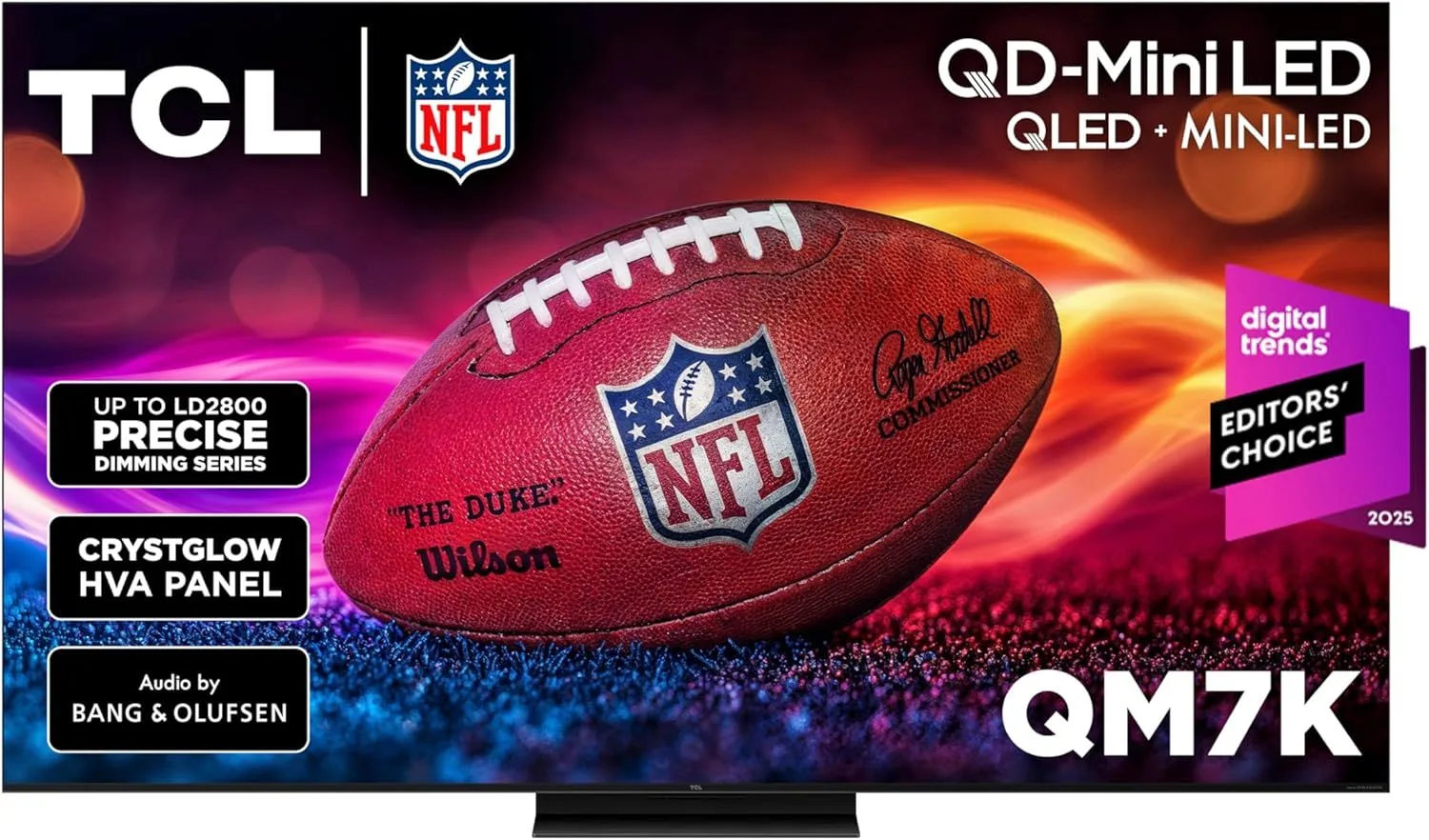
TCL 65" QM7K
TCL's QM7K delivers near-reference brightness and zone count at hundreds less than Samsung and Sony equivalents.
Read Review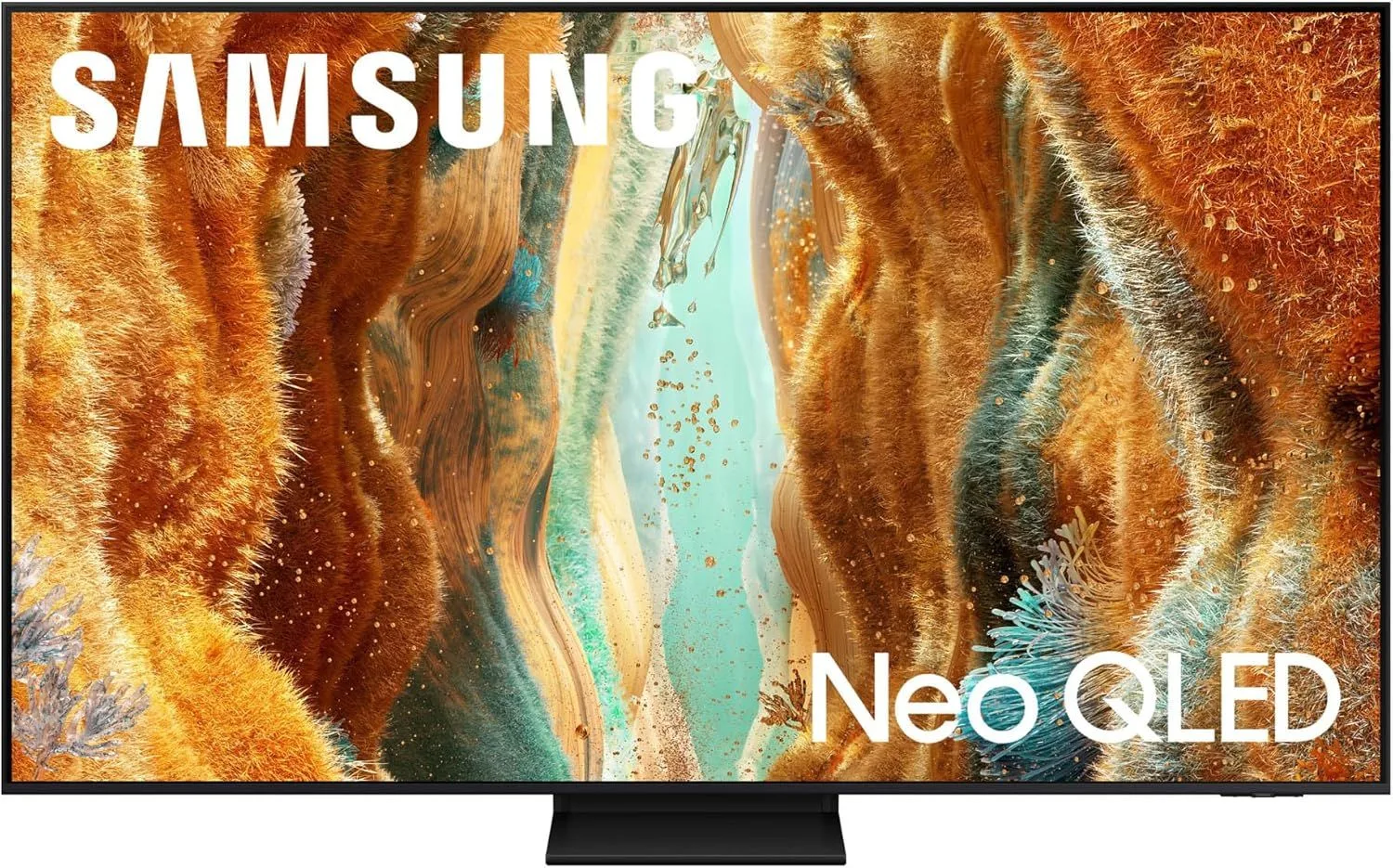
Samsung 65" QN70F
Samsung's QN70F at 65" wins on anti-reflection and viewing angles — genuinely the best bright-room Mini-LED.
Read Review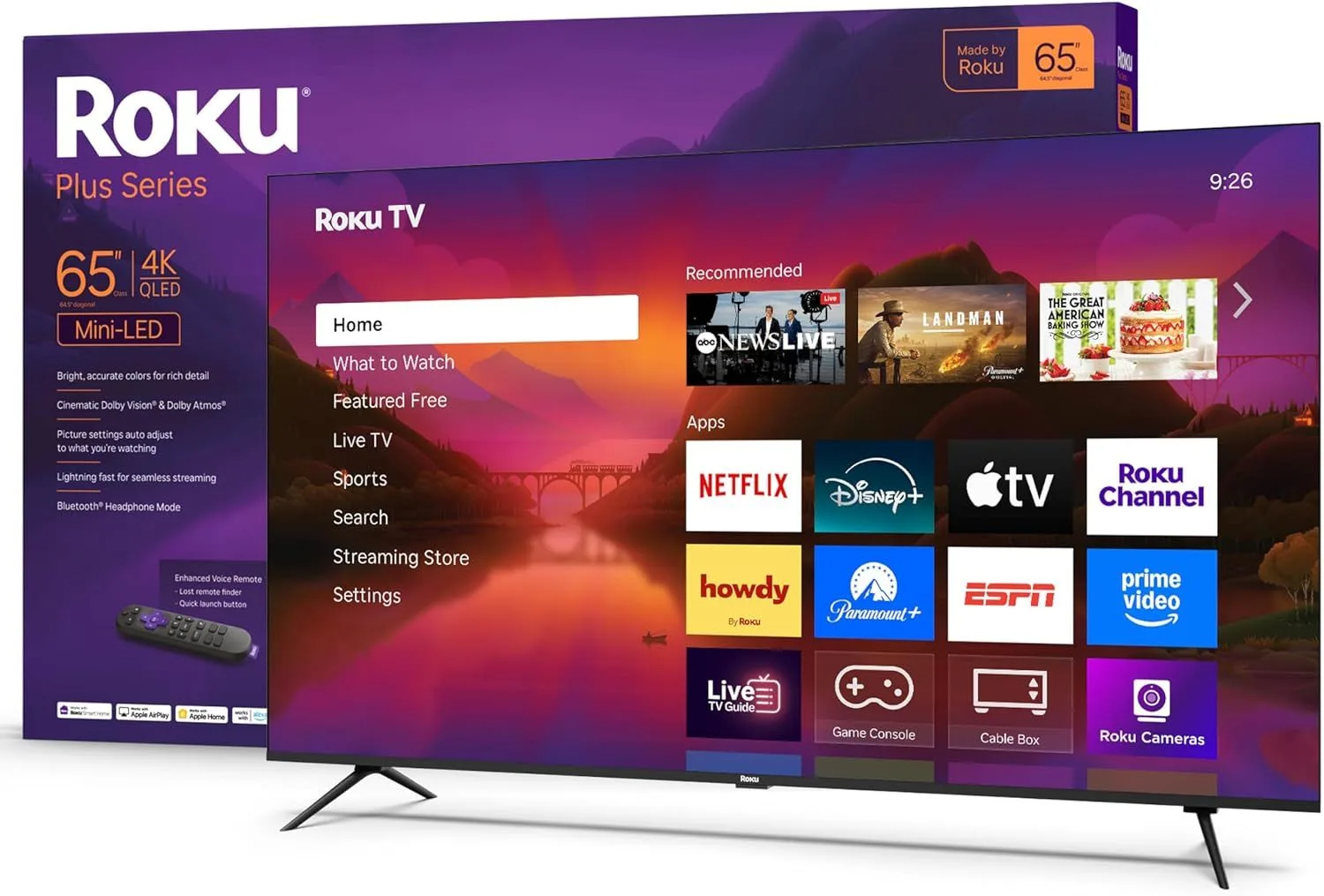
Roku 65" Pro Series
The Roku Pro Series is the rare TV that excels at both picture quality AND ease of use.
Read Review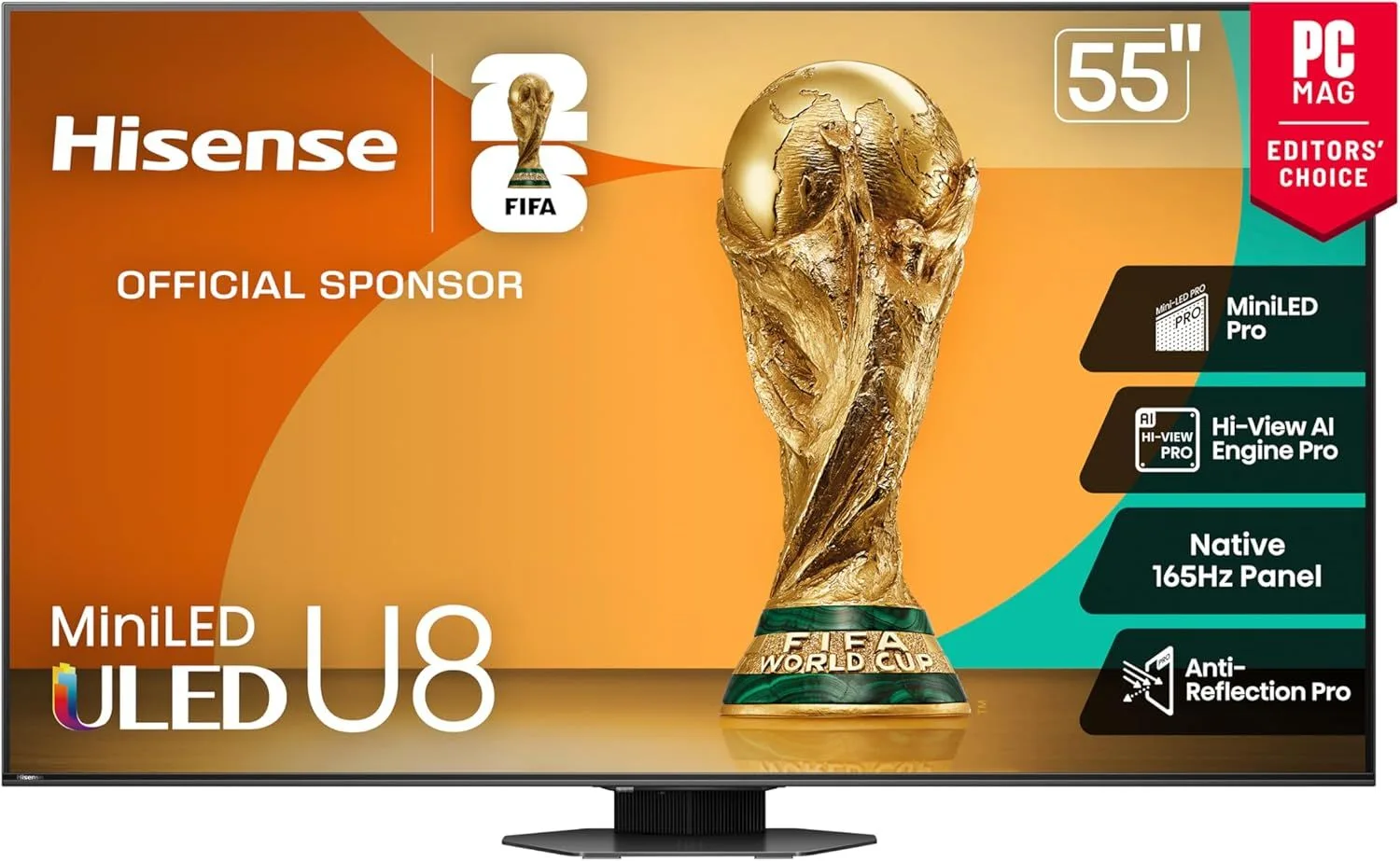
Hisense 55" U8QG
Hisense packs flagship-tier specs into a 55" package: 1000 zones, 2000 nits, 144Hz.
Read Review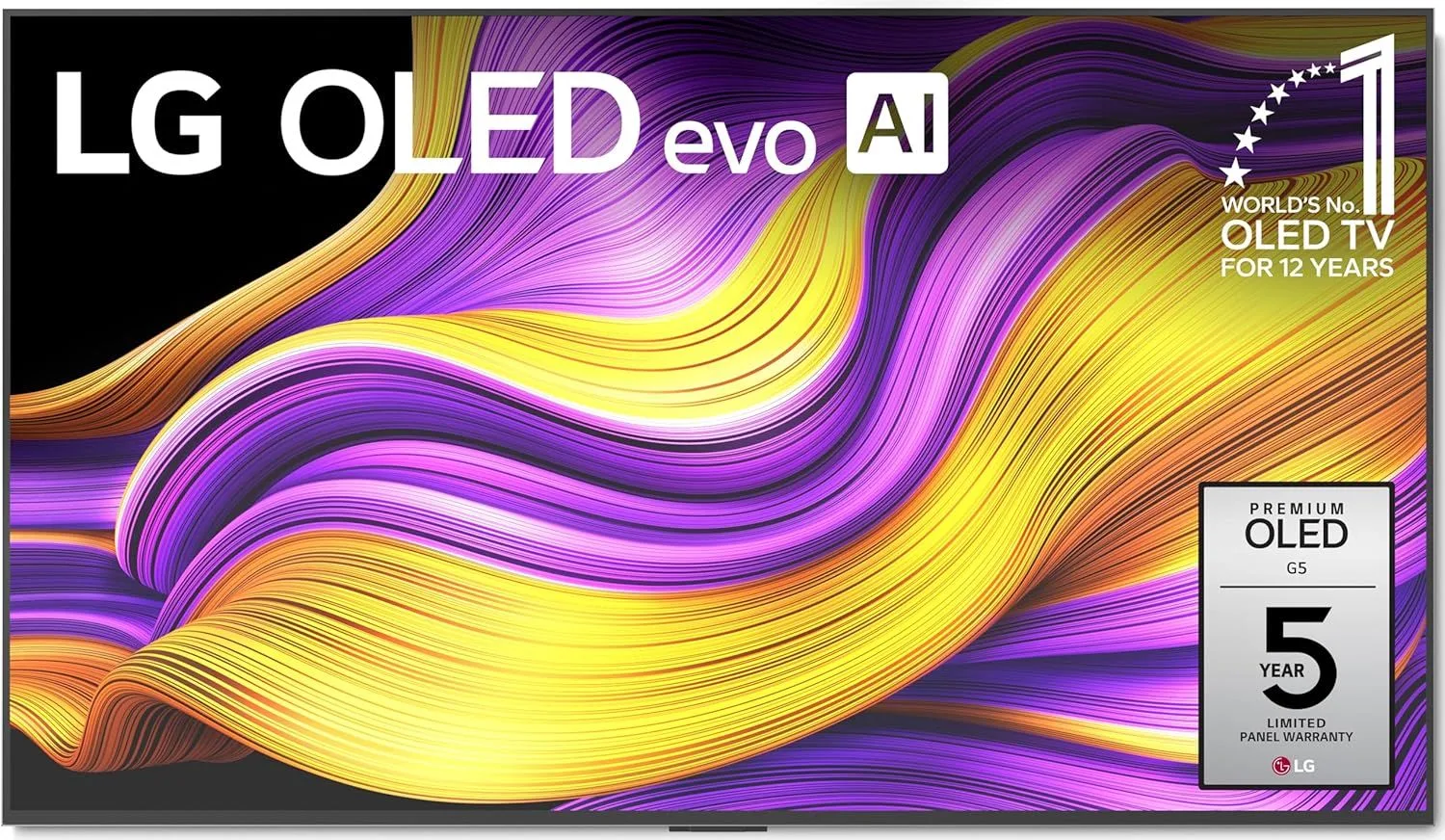
LG 55" OLED G5
The G5 is the future of OLED — tandem technology doubles brightness while maintaining per-pixel contrast.
Read ReviewHow We Rank
Every TV we review is judged the same way, from the same evidence.
Real-World Evidence
We weigh picture quality across SDR, HDR, and gaming content, in bright and dark rooms, from published measurements and owner reports -- not marketing sheets.
Unbiased Reviews
No sponsorships, no paid placements, no review units. We earn only through Amazon affiliate commissions -- on every brand equally.
Data-Driven
Brightness in nits. Dimming zones counted. Input lag in milliseconds. We back every claim with specific published numbers, not vague impressions.
Updated Regularly
Prices change, firmware updates improve performance, and new models launch. We revisit our reviews and rankings to keep recommendations current.
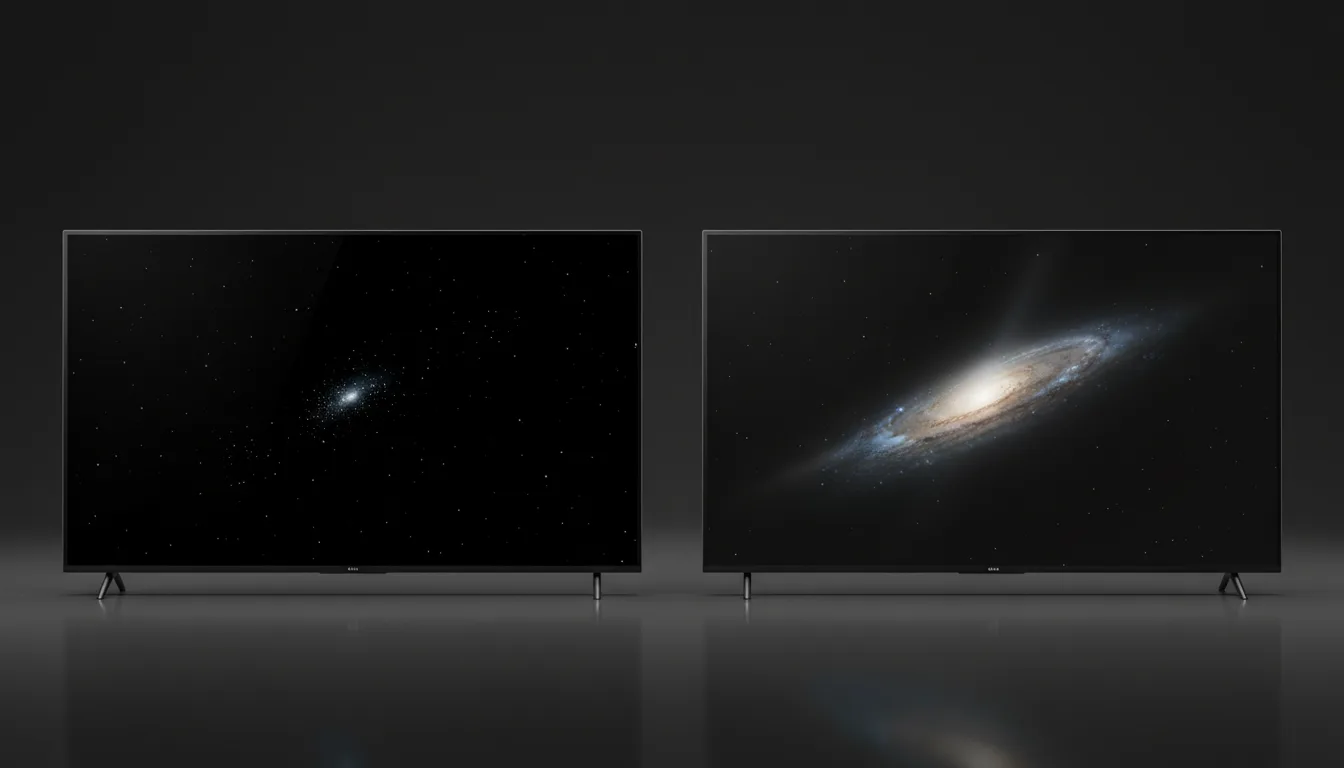
Popular Comparisons
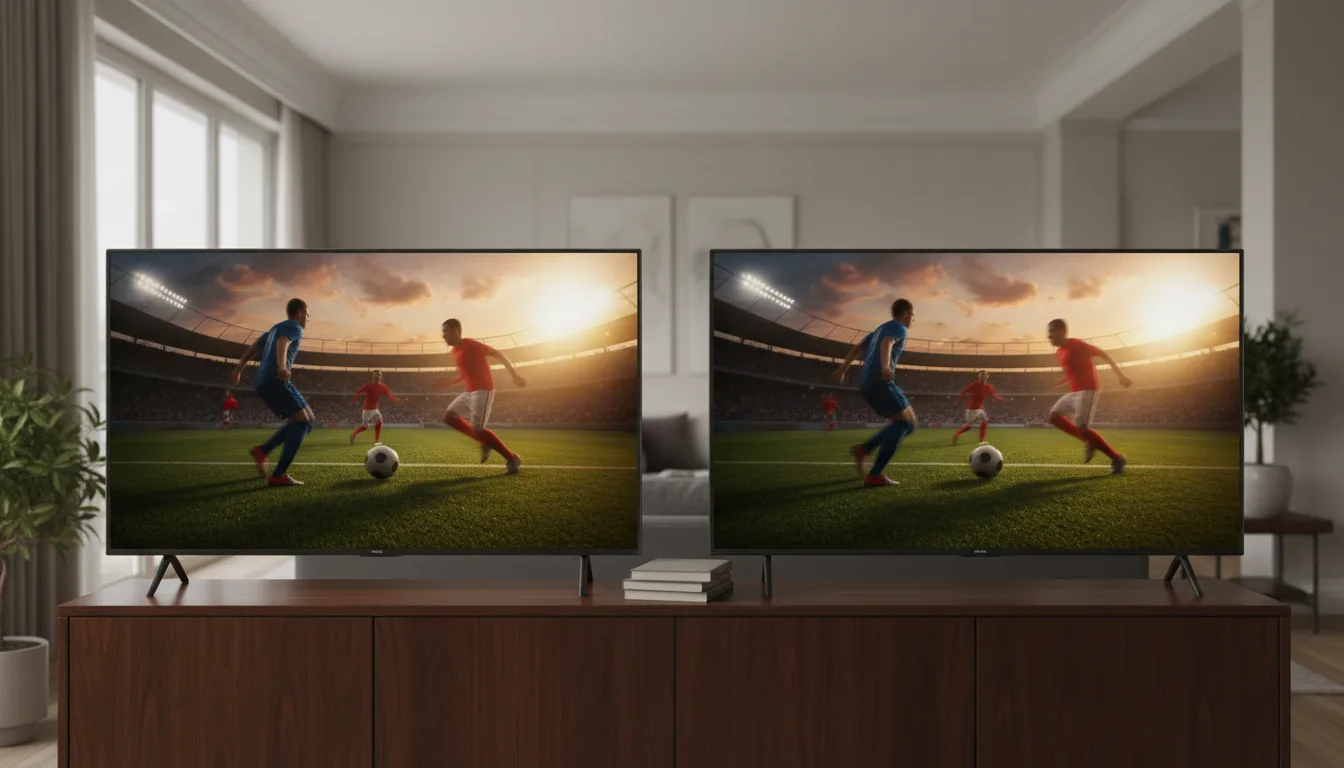
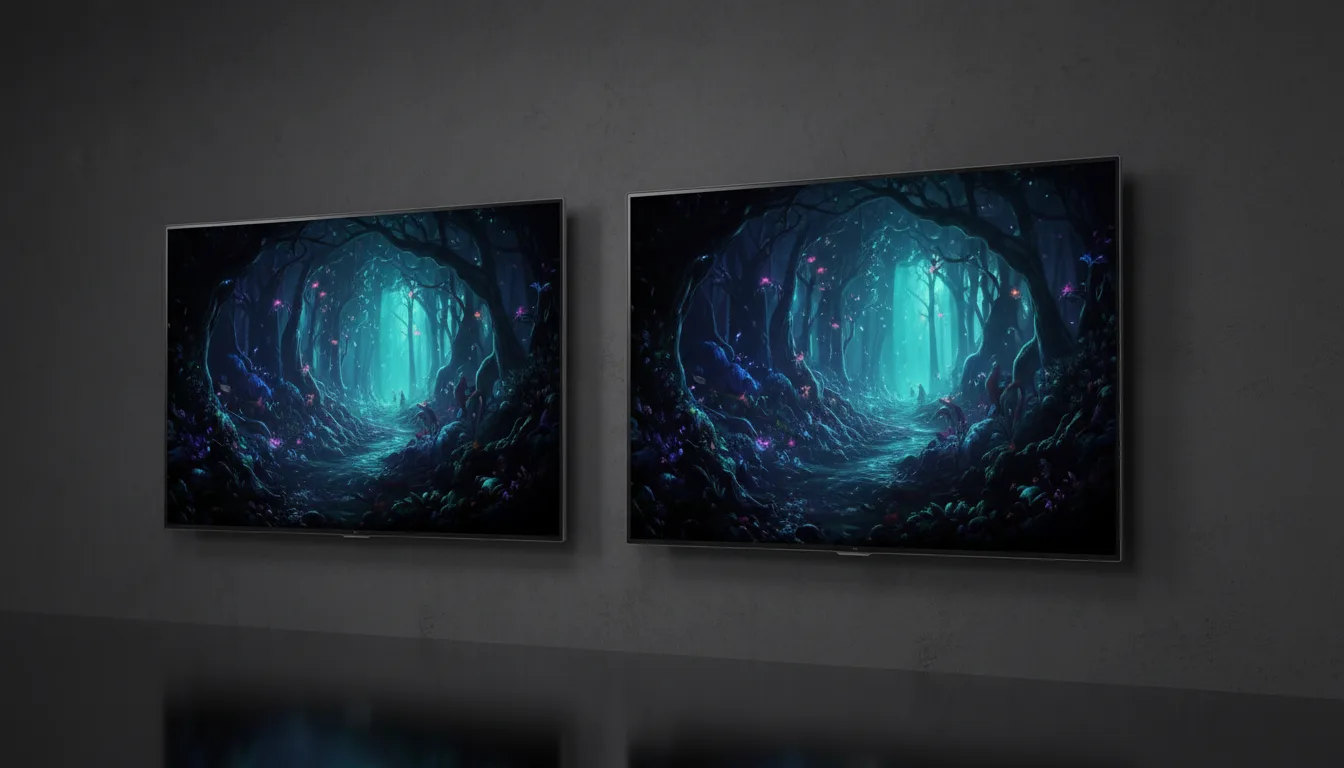
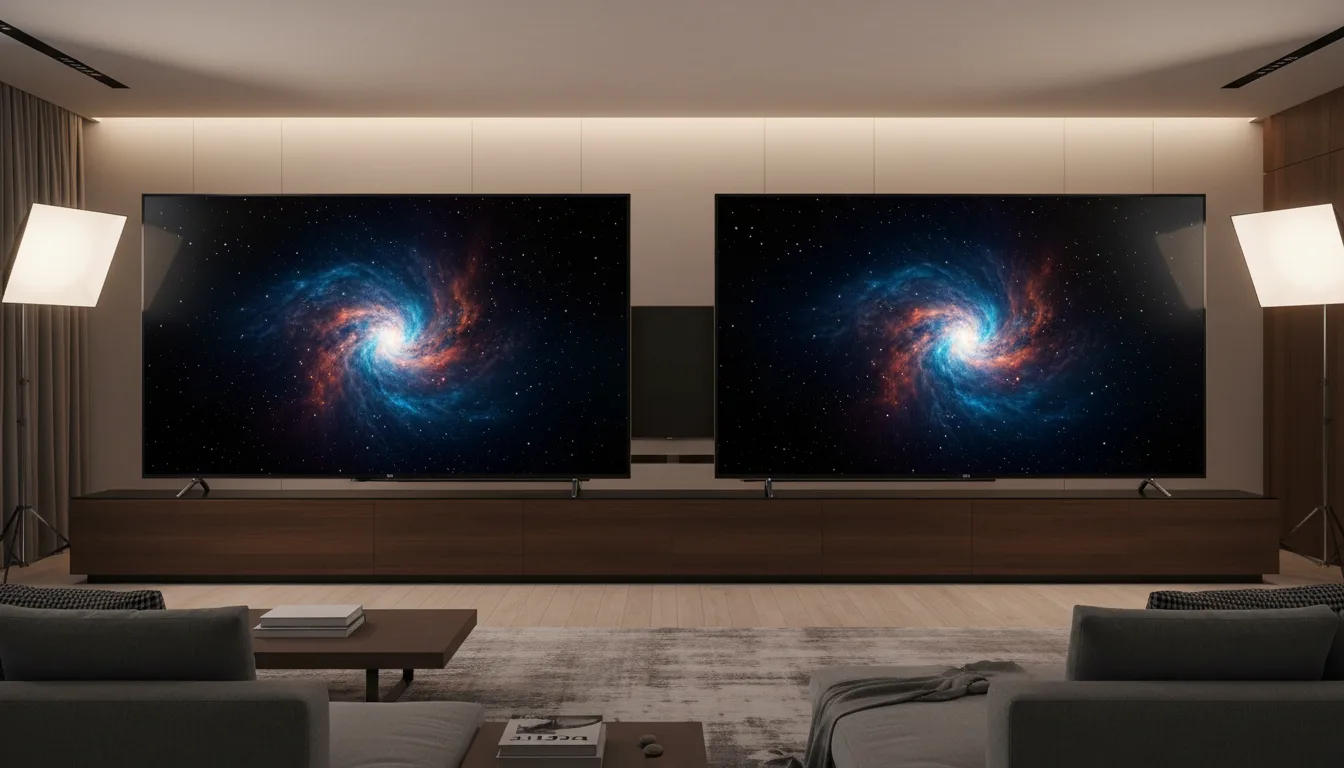
Side-by-side breakdowns of the TVs people compare most.
Frequently Asked Questions
Quick answers to the questions we hear most from TV buyers.
What TV technology gives the best picture quality in 2026?
OLED delivers the best overall picture quality with perfect blacks and infinite contrast. But Mini-LED has closed the gap significantly, offering higher peak brightness at lower prices. For most buyers, a mid-range Mini-LED TV delivers 90% of the picture quality at 40-60% of the OLED price. See our OLED vs Mini-LED breakdown.
How much should I spend on a TV?
Budget LED TVs start under $300 and work fine for casual streaming and guest rooms. The sweet spot for most households is the $500-$800 range, where Mini-LED TVs deliver excellent picture quality with 120Hz gaming. OLED starts around $1,000 and offers the best picture for dedicated home theaters. Read our full buying guide.
Do I need HDMI 2.1 for my TV?
Only if you game on a PS5, Xbox Series X, or high-end PC. HDMI 2.1 enables 4K at 120Hz, VRR (Variable Refresh Rate), and ALLM (Auto Low Latency Mode). For streaming Netflix and watching cable, HDMI 2.0 is perfectly fine. See our gaming TV picks.
Is OLED burn-in still a problem?
Modern OLED TVs from LG have aggressive burn-in prevention features including pixel shifting, screen savers, and logo luminance adjustment. For normal viewing habits (no static news tickers 12 hours a day), burn-in is extremely unlikely on 2024-2025 OLED models. LG covers burn-in under their standard warranty. Full OLED burn-in analysis.
What size TV should I buy for my room?
Measure your viewing distance from the couch to the TV wall. For 4K content, divide the distance in inches by 1.5 for the ideal screen size. A 7-foot viewing distance (84 inches) works well with a 55" TV. A 9-foot distance (108 inches) suits a 65-75" screen. TVs for small rooms | TVs for large rooms.
Which smart TV platform is best: Fire TV, Roku, or Google TV?
Roku offers the cleanest, simplest experience with minimal ads. Google TV has the best app selection and voice search. Fire TV integrates deeply with Alexa and Amazon services but shows the most ads. Samsung Tizen and LG webOS are solid but locked to their respective brands. Full platform comparison.
Is a Mini-LED TV worth the upgrade over a standard QLED?
In most cases, yes. Mini-LED adds hundreds or thousands of dimming zones that dramatically improve contrast in dark scenes and HDR highlights. The price gap has narrowed so much that entry-level Mini-LED TVs now cost about the same as mid-range QLEDs. For movie watching and gaming, the improved contrast is immediately visible. Mini-LED deep dive.
Get TV Picks Delivered
One email per week. Honest reviews, no spam.
Only when something changes. Unsubscribe anytime.
Find Your Perfect TV
Not sure where to start? Our buying guide walks you through every decision -- screen size, panel type, smart platform, and budget -- so you end up with the right TV for your room.