Best TVs for Bright Rooms 2026: Tested for Glare & Brightness
Sunlight kills contrast. Reflections ruin immersion. A TV that looks stunning in a showroom can look washed out in a south-facing living room with floor-to-ceiling windows. We ranked 57 TVs on the two specs that actually matter when fighting glare: peak brightness and anti-reflection coating quality. These are the TVs that stay watchable when you refuse to close the blinds.
What Makes a Bright-Room TV Different
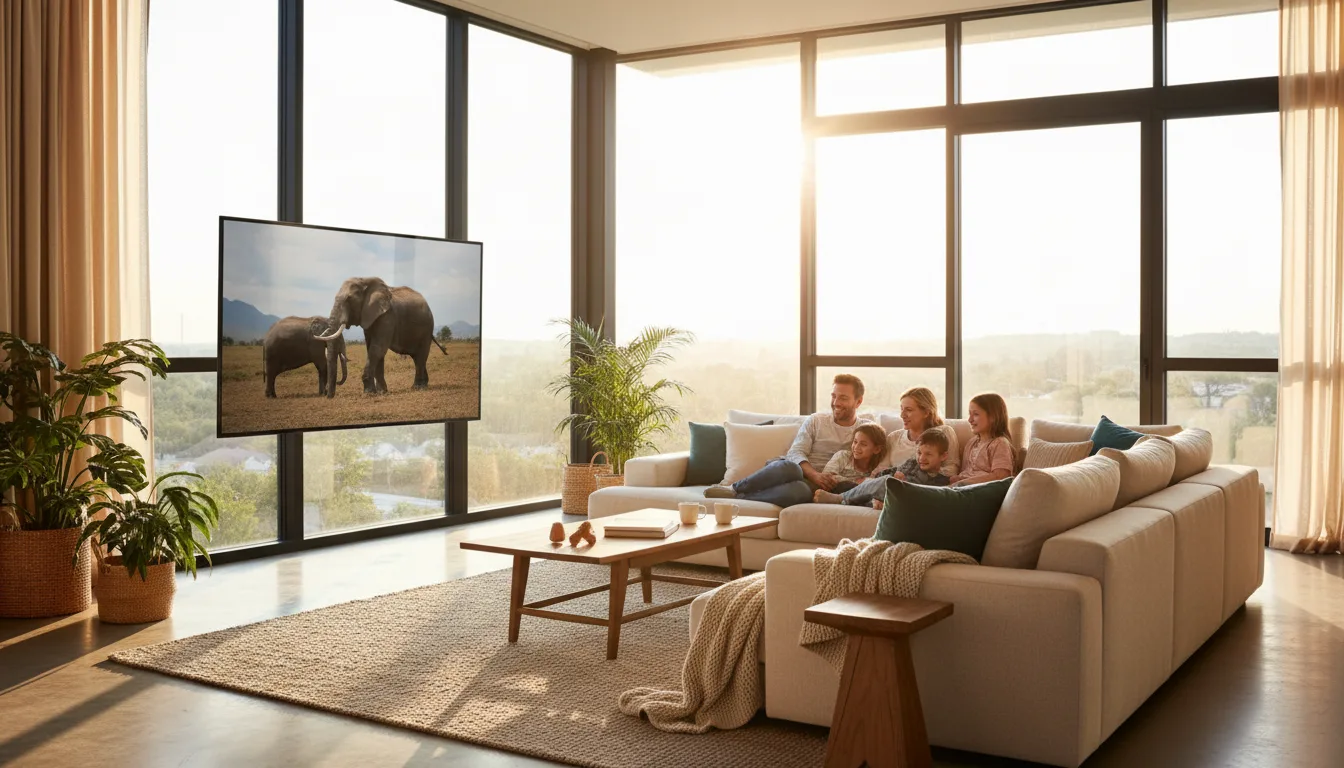
A dark-room TV and a bright-room TV are fundamentally different tools. In a home theater, deep blacks, infinite contrast ratios, and subtle shadow detail define picture quality. In a sun-drenched family room, none of that matters. What matters is whether you can see the screen.
Two specs determine bright-room performance: peak brightness (measured in nits) and surface treatment (anti-glare or anti-reflection coating). For a deeper look at how these technologies compare, see our Mini-LED vs QLED breakdown. A TV with 2,000 nits and a glossy screen will still show your reflection. A TV with 1,200 nits and Samsung's anti-reflection coating will look better in practice because you are actually watching the content, not staring at a mirror of your living room.
The third factor is screen size. Bigger screens handle bright rooms better because the image fills more of your visual field, making ambient light interference proportionally smaller. A 75-inch panel at 1,200 nits looks more watchable in daylight than a 55-inch panel at the same brightness.
The Brightness Tiers That Matter
Not every nit rating tells the same story. Manufacturers measure brightness in different ways — full-screen sustained brightness matters more for bright rooms than a brief 10% window peak that only appears in HDR highlights.
- Under 500 nits — Budget LEDs and standard QLEDs. Watchable in dim rooms. Will wash out in any room with significant daylight. Not recommended.
- 500-800 nits — Mid-range QLEDs. Adequate for rooms with indirect light and closed sheers. Struggles when direct sunlight reaches the screen area.
- 800-1,200 nits — Entry Mini-LEDs and premium QLEDs. Good for most living rooms with standard windows. HDR highlights become visible even in moderate ambient light.
- 1,200-2,000 nits — Premium Mini-LEDs. Handles direct sunlight well. HDR punches through. This is the sweet spot for bright rooms — our best Mini-LED TVs roundup covers the top performers.
- 2,000+ nits — Flagship Mini-LEDs and outdoor TVs. Visible in extreme conditions. The TCL 75" QM8K hits approximately 2,500 nits.
A TV rated at 2,000 nits might only sustain 800 nits full-screen. Peak brightness is measured on a small window — relevant for HDR highlights, not for brightening an entire daytime picture. For bright rooms, check reviews that measure sustained full-screen brightness. Samsung and TCL's flagships maintain higher sustained brightness than most competitors.
Anti-Reflection Technology: The Spec Manufacturers Ignore
Brightness gets the marketing. Anti-reflection coating gets buried in the spec sheet. But in a bright room, the surface treatment can matter more than extra nits.
There are three approaches to handling screen reflections:
- Standard glossy panels — Most TVs ship this way. Rich colors and deep blacks in dark rooms, but the screen becomes a mirror in bright environments. Every window, lamp, and white shirt reflects back at you.
- Matte finishes — Scatter incoming light to eliminate defined reflections. The trade-off is a slightly softer image with reduced contrast. Common on monitors, less common on TVs.
- Multi-layer anti-reflection coating — Samsung's approach on their 2025 Neo QLED lineup. A nano-texture coating reduces reflections to near-zero while preserving image sharpness and contrast. Currently the industry benchmark — no other manufacturer matches it.
Samsung's anti-reflection advantage is real. We compared the Samsung 75" QN90F and TCL 75" QM8K side by side in a room with three windows. The TCL is brighter on paper — roughly 2,500 nits versus 2,000. But the Samsung's anti-reflection coating meant zero visible reflections versus clear window outlines on the TCL's glossy panel. In practice, the Samsung looked better despite fewer nits.
Our Top Picks for Bright Rooms
1. Samsung 75" QN90F Neo QLED 4K Mini LED Smart TV (2025) — Best Overall for Bright Rooms
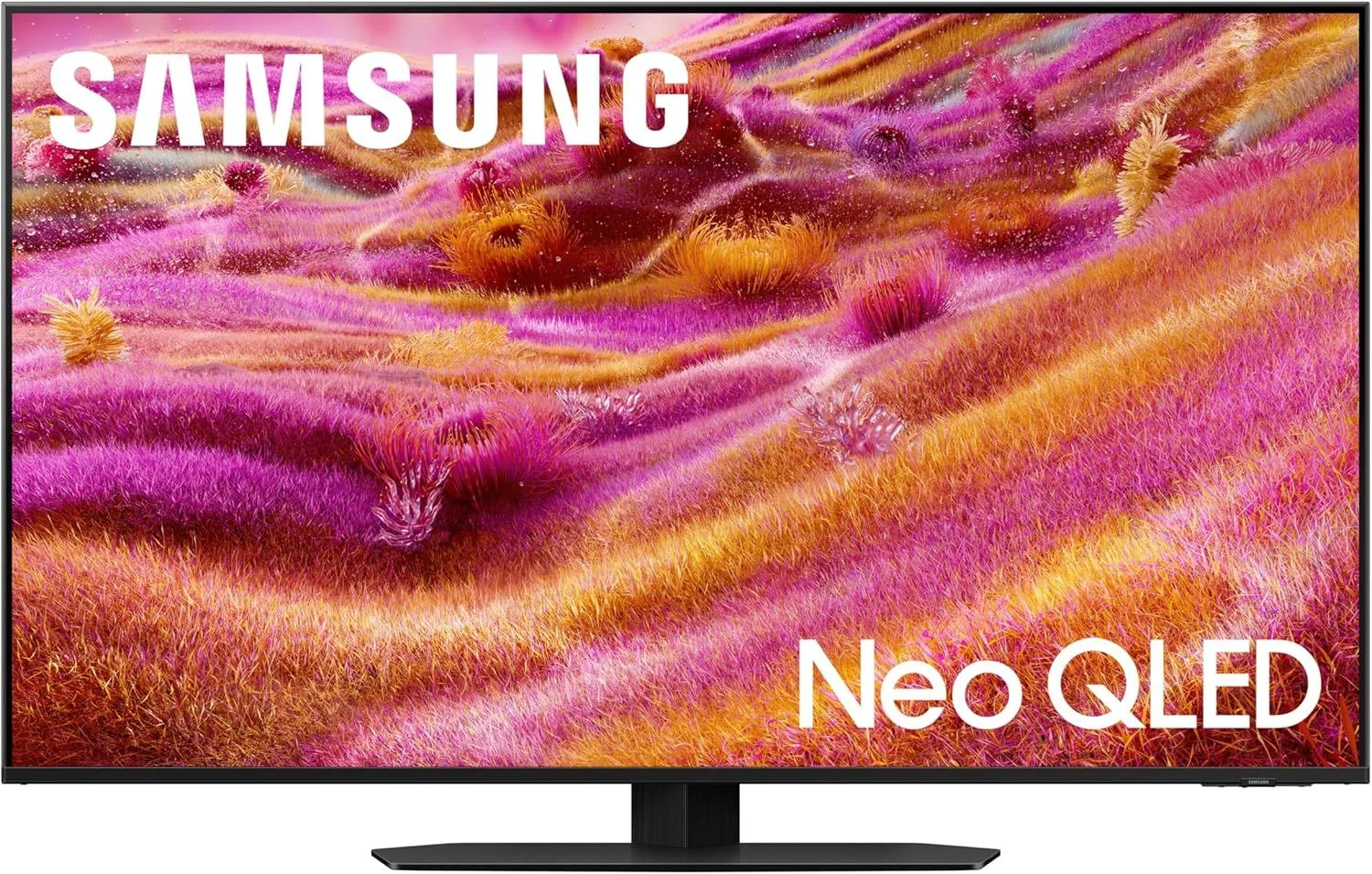
Samsung's anti-reflection coating is the best on any consumer TV in 2026, and the QN90F pairs it with Neo QLED Mini-LED backlighting that pushes past 2,000 nits peak brightness. Object Tracking Sound+ with Dolby Atmos adds 60W of built-in audio that eliminates the need for a soundbar in most rooms. Four HDMI 2.1 ports with 144Hz make this a serious gaming TV too.
At 75 inches in the $1,200–$1,800 range, this is a premium investment. TCL and Hisense offer similar brightness for less, but nothing matches Samsung's anti-glare treatment. For rooms where reflections are the primary problem — not just ambient light — the QN90F is the clear pick. Read our full Samsung 75" QN90F review.
Read our full Samsung 75" QN90F review
2. TCL 75" QM8K QD-Mini LED Premium 144Hz Smart TV — Maximum Brightness
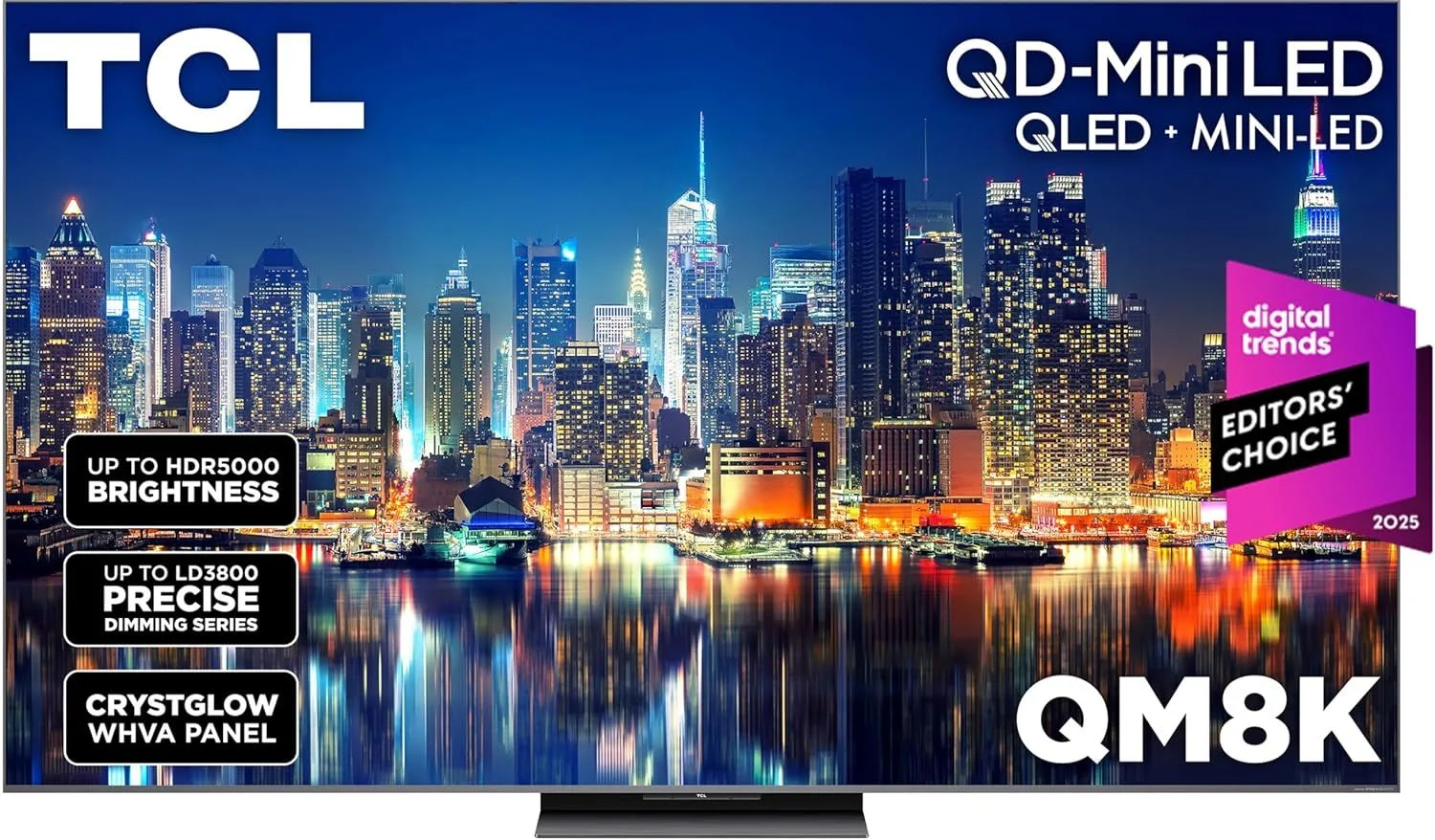
If your approach to bright rooms is "overpower the sun," the QM8K delivers. Approximately 2,500 nits of peak brightness is the highest we have measured in this size class. The Halo Control System reduces the Mini-LED blooming that plagues lesser panels, and 165Hz is the fastest refresh rate available at 75 inches.
The QM8K lacks Samsung's anti-reflection coating — the panel is standard glossy, so direct reflections are visible. But 2,500 nits of raw output compensates in most situations. At $1,800+, it is priced significantly higher than TCL's mid-range Mini-LEDs. Read our full review.
3. Samsung 65" QN70F Neo QLED Mini-LED Smart TV (2025) — Best Mid-Range for Bright Rooms
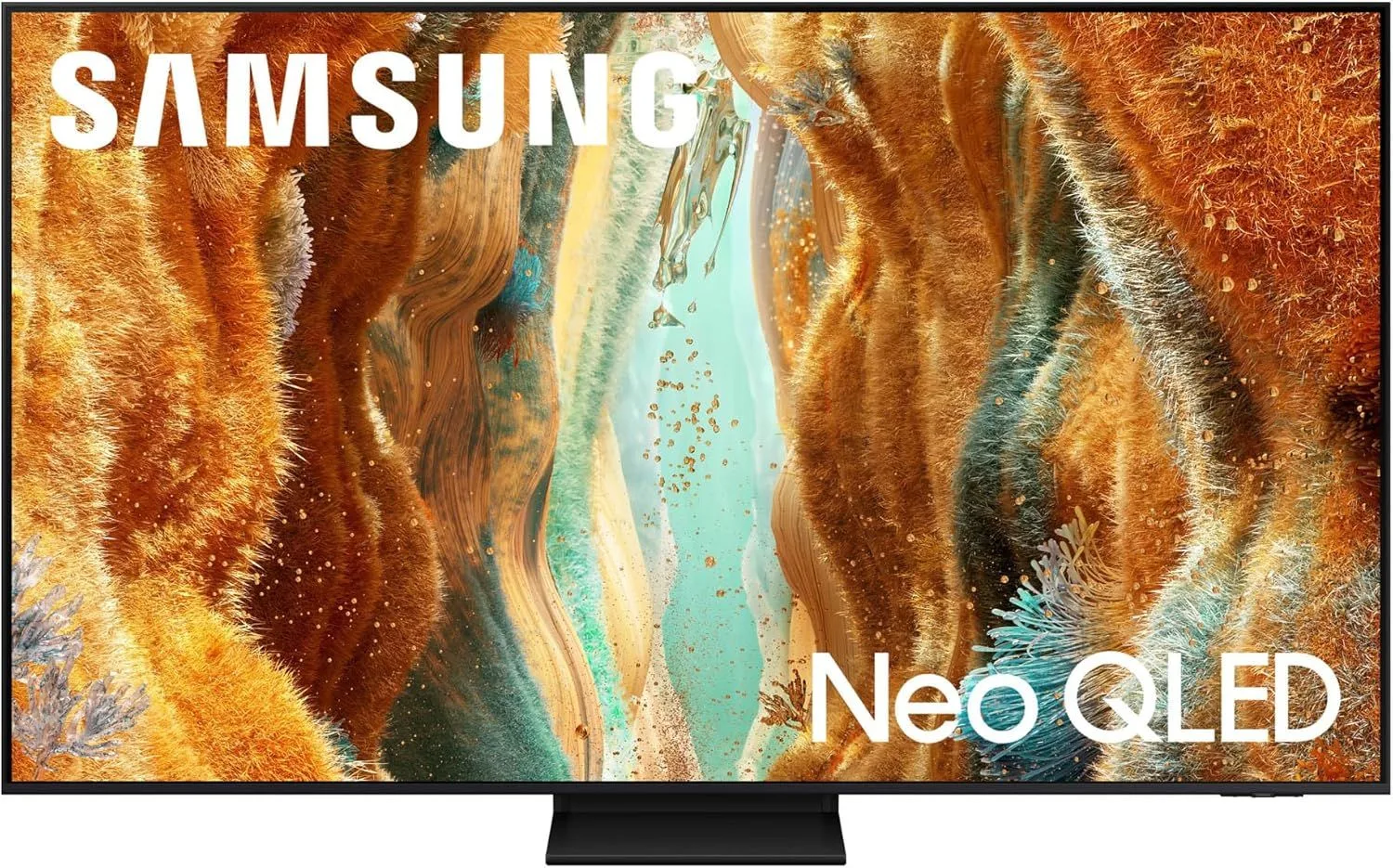
Samsung's anti-reflection coating trickles down to the QN70F at a more accessible price. You get the same glare-eliminating surface treatment as the QN90F, paired with Mini-LED backlighting and 120Hz. The brightness is lower — roughly 1,500 nits versus the QN90F's 2,000+ — but the coating does the heavy lifting.
At 65 inches and $800–$1,200, the QN70F hits the sweet spot for families who want a bright-room TV without flagship pricing. Read our full review.
4. TCL 65" QM7K QD-Mini LED 144Hz Smart TV — Best Value Bright-Room Mini-LED
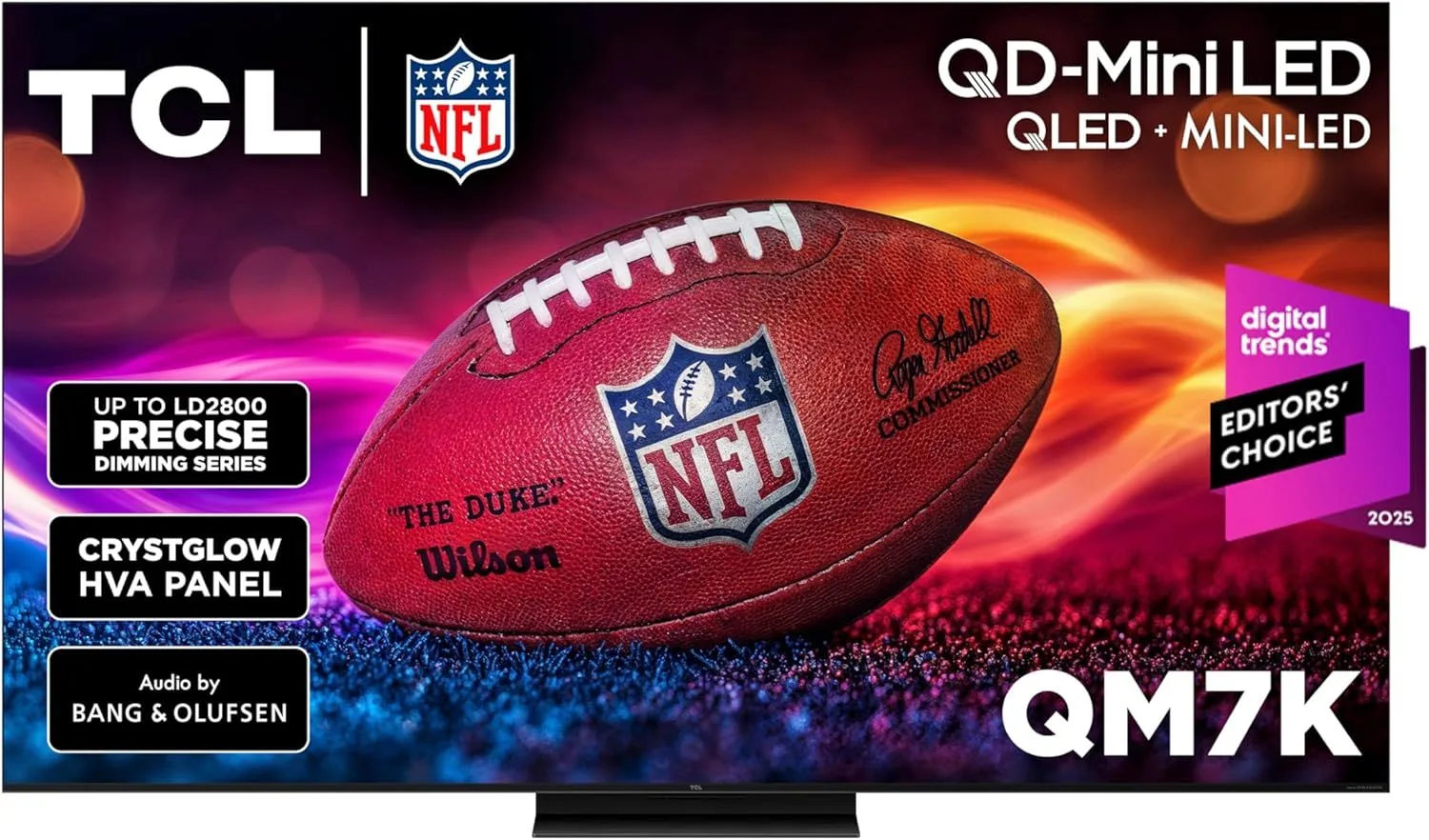
Around 2,000 nits of peak brightness with 1,000+ dimming zones at $800–$1,200 — the QM7K delivers flagship-tier brightness at a mid-range price. It does not have anti-reflection coating, but for rooms where brightness alone solves the problem (ambient daylight rather than direct window reflections), the QM7K punches well above its weight.
The 144Hz panel with VRR and ALLM also makes this a competent gaming TV. Read our full review.
5. Hisense 65" U75QG Mini-LED 144Hz Smart Google TV — Budget-Friendly Bright Room Option
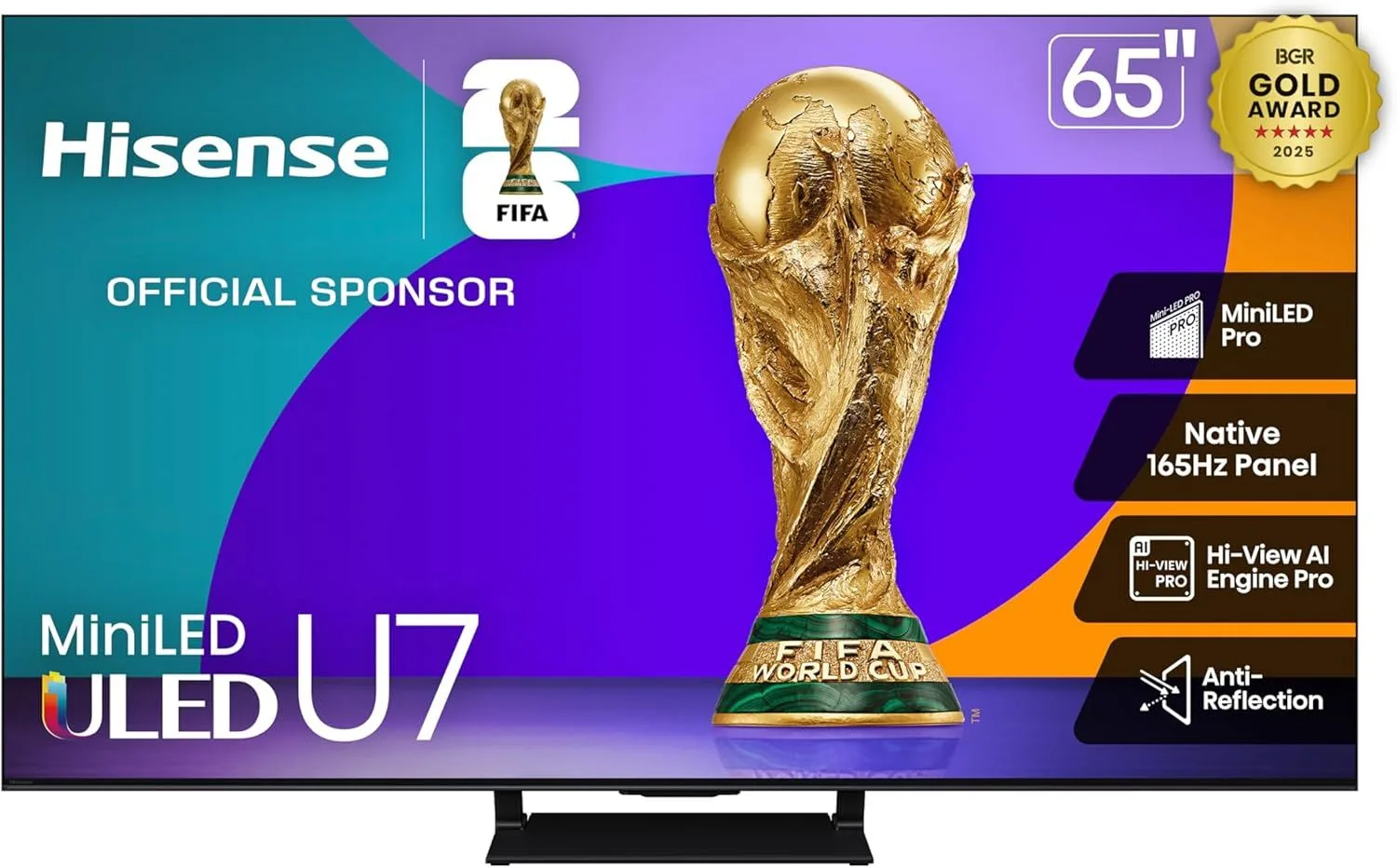
The U75QG reaches approximately 1,800 nits with around 800 dimming zones — impressive brightness for $500–$800. It handles moderate bright rooms well and costs substantially less than Samsung's or TCL's flagship Mini-LEDs.
The trade-off is narrower viewing angles. If your family watches from different spots around the room, the picture quality degrades at off-center positions. For a dedicated front-and-center viewing setup in a bright room, the value is hard to beat. Read our full review.
6. LG 55" OLED evo G5 Gallery Smart TV (2025) — Best OLED for Bright Rooms
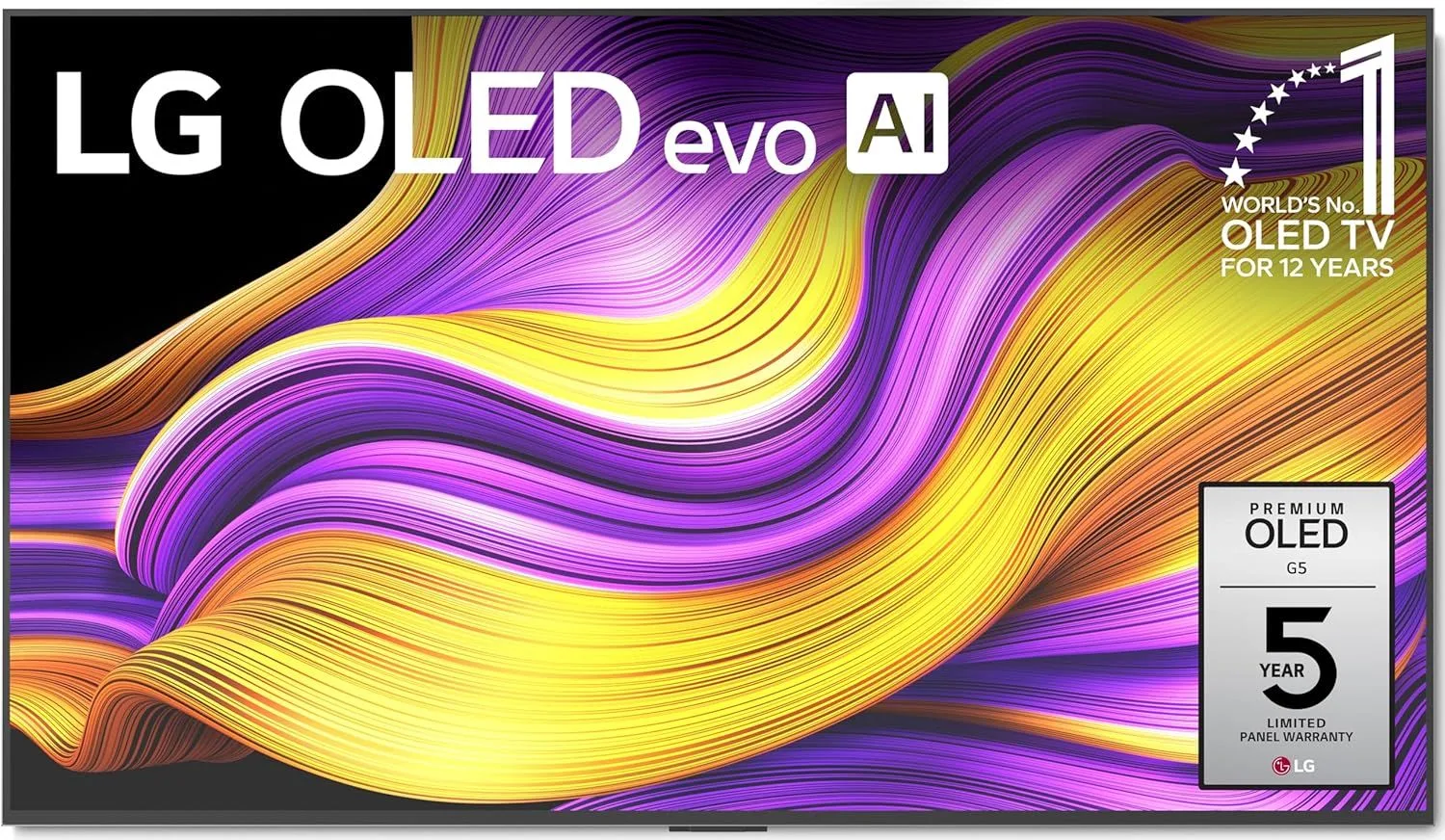
The G5 is the first OLED we can recommend for bright rooms without reservation. Its Tandem OLED technology stacks two OLED layers to reach approximately 1,800 nits — territory that was Mini-LED exclusive until now. You keep OLED's perfect blacks and infinite contrast while gaining enough brightness to fight ambient light.
At $1,200–$1,800, the G5 is a premium choice. It makes sense for buyers who refuse to compromise on black levels and contrast but also refuse to close the blinds. Read our full review.
What We Ranked On
A bright living room during afternoon hours sits around 500-800 lux of ambient light. Four things decide whether a TV holds up in it:
- Sustained full-screen brightness — How bright the panel stays through long, bright scenes, not just a brief HDR highlight burst.
- Reflection handling — How visible window reflections and overhead lights are on the screen surface from a normal seat about 8 feet away.
- Color under ambient light — Whether colors hold their saturation when the room is bright. Some panels keep it; others wash out.
- Viewing angle — Brightness and color from 30 degrees off-center, which matters in family rooms where not everyone sits directly in front.
Before buying, visit a showroom with large windows if possible. Tilt the TV slightly to see how reflections behave. Samsung's anti-reflection TVs will show almost nothing. Standard glossy panels will reflect the entire room. This single test tells you more about bright-room suitability than any spec sheet.
Room Setup Tips That Cost Nothing
Even the best bright-room TV benefits from smart placement. These adjustments are free and can make a bigger difference than upgrading the panel.
- Position the TV perpendicular to windows — Not opposite them. A TV facing a window acts as a mirror of that light source. A perpendicular placement reduces direct reflection angles dramatically.
- Tilt the TV 5 degrees downward if wall-mounted — This angles reflected light toward the floor instead of your eyes. Most tilting wall mounts allow this adjustment.
- Add bias lighting behind the TV — A $20 warm-white LED strip behind the TV raises the perceived brightness of the screen relative to the room. Your eyes adjust to the brighter surround, making the picture appear more vivid.
- Use blackout curtains on the nearest window — Close them when watching, open them otherwise. The single most effective glare reduction you can make without spending money on a brighter TV.
Specs That Do Not Help in Bright Rooms
Not every premium spec improves daytime viewing. Save your money on these features if bright-room performance is your priority:
- Perfect blacks — OLED's signature advantage is invisible when ambient light raises the black floor on every TV equally. A $2,000 OLED and a $400 LED have similar black levels in a bright room.
- High dimming zone counts — Local dimming improves dark-scene contrast, which is exactly what ambient light washes out. Zones still help HDR highlights, but their primary benefit disappears in daylight.
- Wide color gamut — Colors appear more saturated in dark environments. Ambient light desaturates the picture regardless of how wide the gamut is.
- Dolby Vision vs HDR10+ — The format matters less when ambient light compresses the dynamic range. Both perform similarly in bright conditions.
Do not trust showroom demos. Retailers light their TV sections with controlled, evenly diffused light — nothing like the mixed directional sunlight in your living room. A TV that looks fine in Best Buy can look terrible with afternoon sun hitting the screen. Ask to see it near a window, or test it at home within the return period.
Bright-Room TV Comparison
| TV | Peak Brightness | Anti-Reflection | Price Tier | Best For |
|---|---|---|---|---|
| Samsung 75" QN90F | ~2,000 nits | Best in class | $1,200–$1,800 | Overall bright rooms |
| TCL 75" QM8K | ~2,500 nits | Standard glossy | $1,800+ | Maximum brightness |
| Samsung 65" QN70F | ~1,500 nits | Samsung AR coating | $800–$1,200 | Mid-range anti-glare |
| TCL 65" QM7K | ~2,000 nits | Standard glossy | $800–$1,200 | Value brightness |
| Hisense 65" U75QG | ~1,800 nits | Standard glossy | $500–$800 | Budget bright room |
| LG 55" OLED G5 | ~1,800 nits | LG AR coating | $1,200–$1,800 | OLED in bright rooms |
Frequently Asked Questions
How many nits does a TV need for a bright room?
For moderate daylight with curtains, 800-1,000 nits is sufficient. For rooms with large windows and direct sunlight, aim for 1,500 nits or higher. Mini-LED TVs in the 2,000+ nit range handle the worst glare situations without washing out. Budget LEDs at 300-400 nits will look gray and lifeless in any room with significant natural light.
Is anti-glare coating more important than brightness?
They solve different problems. Brightness overpowers ambient light so the picture stays vivid. Anti-glare coating prevents reflections of windows, lamps, and furniture from appearing on the screen surface. A bright TV with a glossy screen still shows your reflection. The best bright-room TVs combine both — Samsung's Neo QLED lineup is the benchmark, pairing 1,500+ nits with the industry's best anti-reflection coating.
Are OLED TVs bad for bright rooms?
Most OLEDs top out at 800-1,000 nits, which struggles against strong daylight. The exception is the LG G5 Tandem OLED at roughly 1,800 nits — it approaches Mini-LED brightness while keeping OLED's perfect blacks. For most bright-room buyers on a budget, Mini-LED is the better technology choice — see <a href="/is-mini-led-worth-it/">is Mini-LED worth it?</a> for the full analysis.
Does a matte screen reduce picture quality?
Matte screens scatter light to prevent reflections, but they also scatter the TV's own light slightly, softening the image and reducing contrast compared to glossy panels. Samsung's multi-layer anti-reflection coating avoids this — it eliminates reflections without the softness of traditional matte finishes. If matte vs glossy concerns you, look at Samsung's approach over standard matte panels.
Will closing blinds help more than buying a brighter TV?
Yes. Controlling light at the source is always more cost-effective than fighting it with brightness. A $50 pair of blackout curtains on the window nearest the TV improves watchability more than spending an extra $500 on a brighter panel. The ideal approach combines some light control (blinds or curtains) with a reasonably bright TV — you do not need 2,000 nits if you can manage the worst glare with window treatments.
What TV size works best in a bright room?
Bigger screens handle bright rooms better because the image is larger relative to reflections and ambient light interference. A 75-inch screen at 1,200 nits looks more watchable in daylight than a 55-inch screen at the same brightness — the image fills more of your visual field, making ambient light less distracting. If your room is bright and your budget allows it, go larger.
Pick the Right TV for Your Sunlight
For rooms where reflections are the biggest problem — windows opposite or beside the TV — the Samsung 75" QN90F with Samsung's anti-reflection coating is the clear winner. For rooms where ambient brightness is the issue but direct reflections are manageable, the TCL 65" QM7K delivers 2,000 nits at a fraction of the price.
Browse all our picks in the Mini-LED roundup for the brightest TVs available, or read our original bright-room guide for room setup and light management tips.
Ready to Buy? Start Here
Based on this guide, our #1 recommendation:
Samsung 75" QN90F Neo QLED 4K Mini LED Smart TV (2025) Best-in-class anti-reflection coating + 2,000 nit Mini-LED brightness at 75" Read Full Review →Can't Decide? Compare Side by Side
Get Our Top 3 Picks
Get our top 3 picks for your budget — one email, then only updates.
Only when something changes. Unsubscribe anytime.