Best TVs for Movies & Home Theater
Movie nights deserve better than muddy blacks and washed-out color. We picked TVs that reproduce cinema-quality contrast, wide color gamuts, and Dolby Vision HDR — the panels filmmakers would actually want you watching their work on.
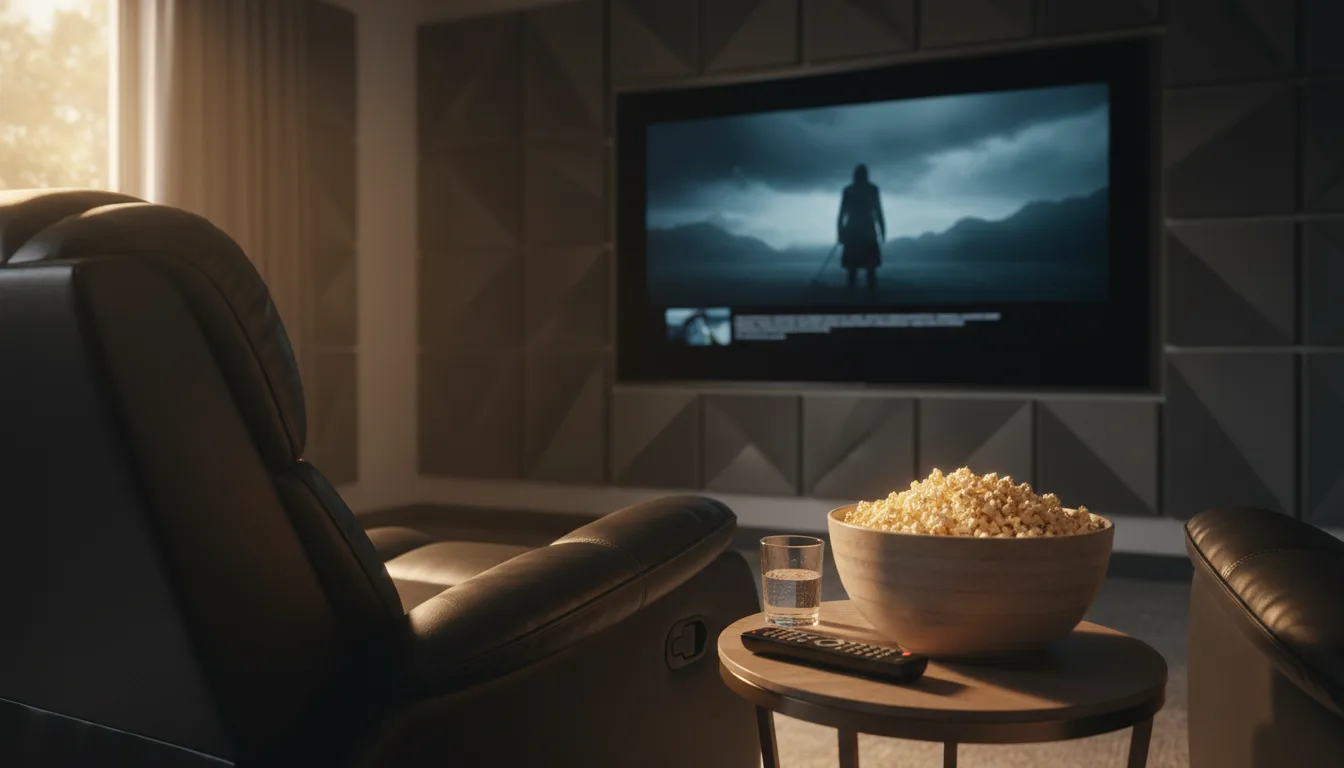
The Dark Room Test
Movies demand things from a TV that no other content does. A horror film's tension lives in the shadows. A sci-fi epic needs pitch-black space around glowing stars. When the camera holds on a dimly lit face for ten seconds, you see every flaw in a TV's contrast and black level.
LCD-based TVs — even the best Mini-LEDs — can't fully turn off their backlight. The result is "black" that's actually dark grey, and blooming halos around bright objects on dark backgrounds. OLED eliminates this entirely. Each pixel is its own light source, and "off" means truly black.
What Cinephiles Should Prioritize
Contrast Ratio: The Most Important Spec
Contrast is the difference between the brightest white and the darkest black a TV can produce simultaneously. OLED's contrast is technically infinite — a lit pixel next to a fully off pixel. Mini-LED closes the gap considerably but still can't match OLED in dark scenes.
Color Accuracy and Wide Color Gamut
Films are graded in DCI-P3 color space, which covers more reds, greens, and blues than standard sRGB. TVs with wide color gamut support reproduce those expanded colors faithfully. Sony's X1 processor and LG's OLED panels are standouts for out-of-box accuracy.
HDR Performance: Dolby Vision Preferred
Dolby Vision carries dynamic metadata — frame-by-frame brightness instructions that adapt to your TV's capabilities. HDR10 uses static metadata, a single brightness curve for the entire film. The difference is most visible in movies with dramatic lighting shifts between scenes.
Filmmaker Mode and Processing
Good image processing enhances fine detail without adding artifacts. Sony's X1 processor is legendary for upscaling lower-resolution content to near-4K quality. Filmmaker Mode, supported by most premium TVs, strips away all post-processing to present the director's original intent.
For the best movie experience, control ambient light. Blackout curtains and bias lighting (a strip of warm LED lights behind the TV) reduce eye strain and make the TV's contrast appear even deeper by providing a reference brightness level.
Top Picks for Movie Night
1. LG 55" OLED evo C5 Smart TV (2025) — The Benchmark Home Theater TV
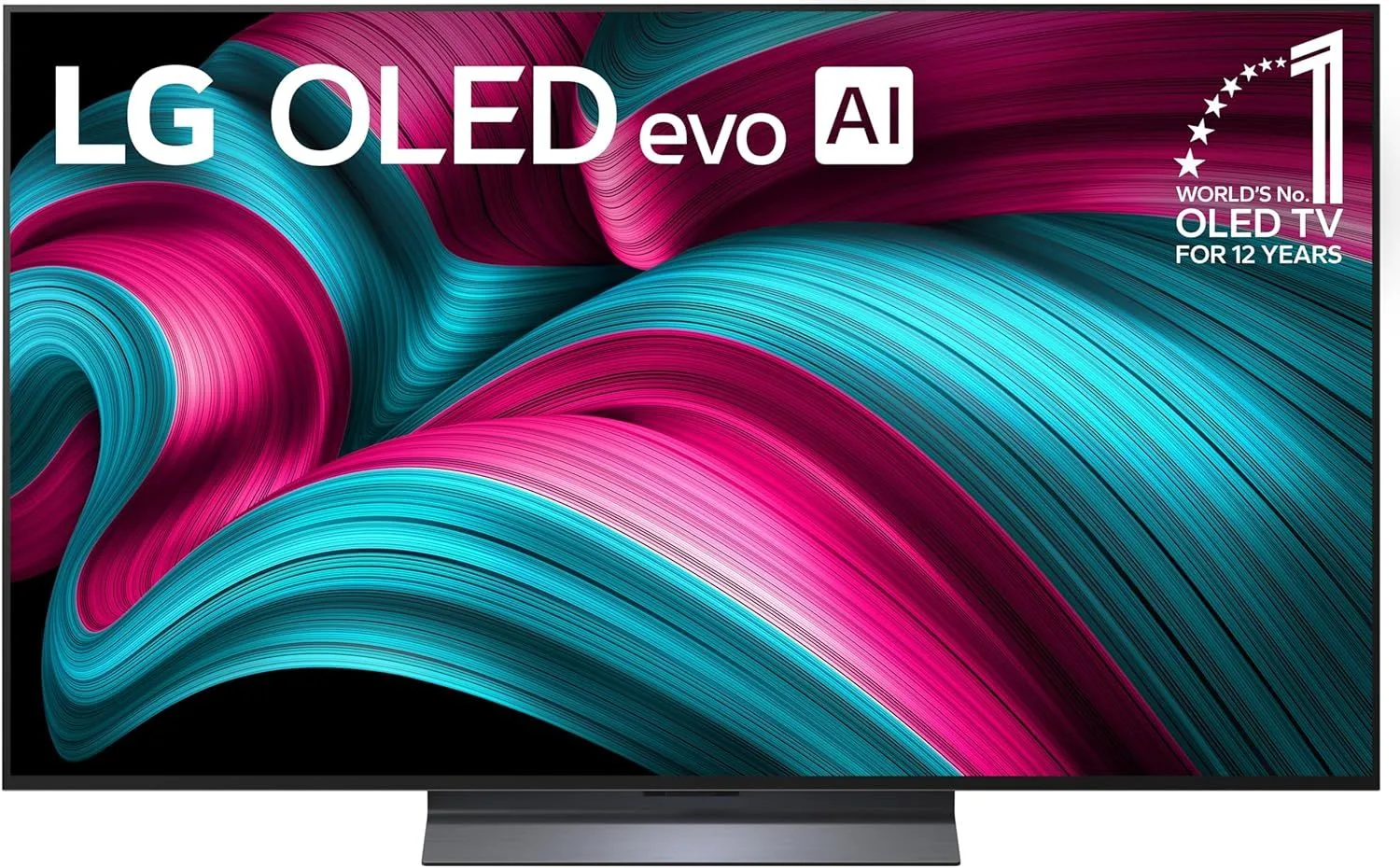
Perfect blacks. Wide color gamut. Dolby Vision IQ that adjusts to ambient light. The LG 55" OLED C5 is the TV we recommend to anyone who watches movies in a light-controlled room. At $800–$1,200, it's upper mid-range — and worth every cent for the contrast quality alone.
Read our full LG 55" OLED C5 review
2. LG 55" OLED evo G5 Gallery Smart TV (2025) — Brightest OLED for HDR
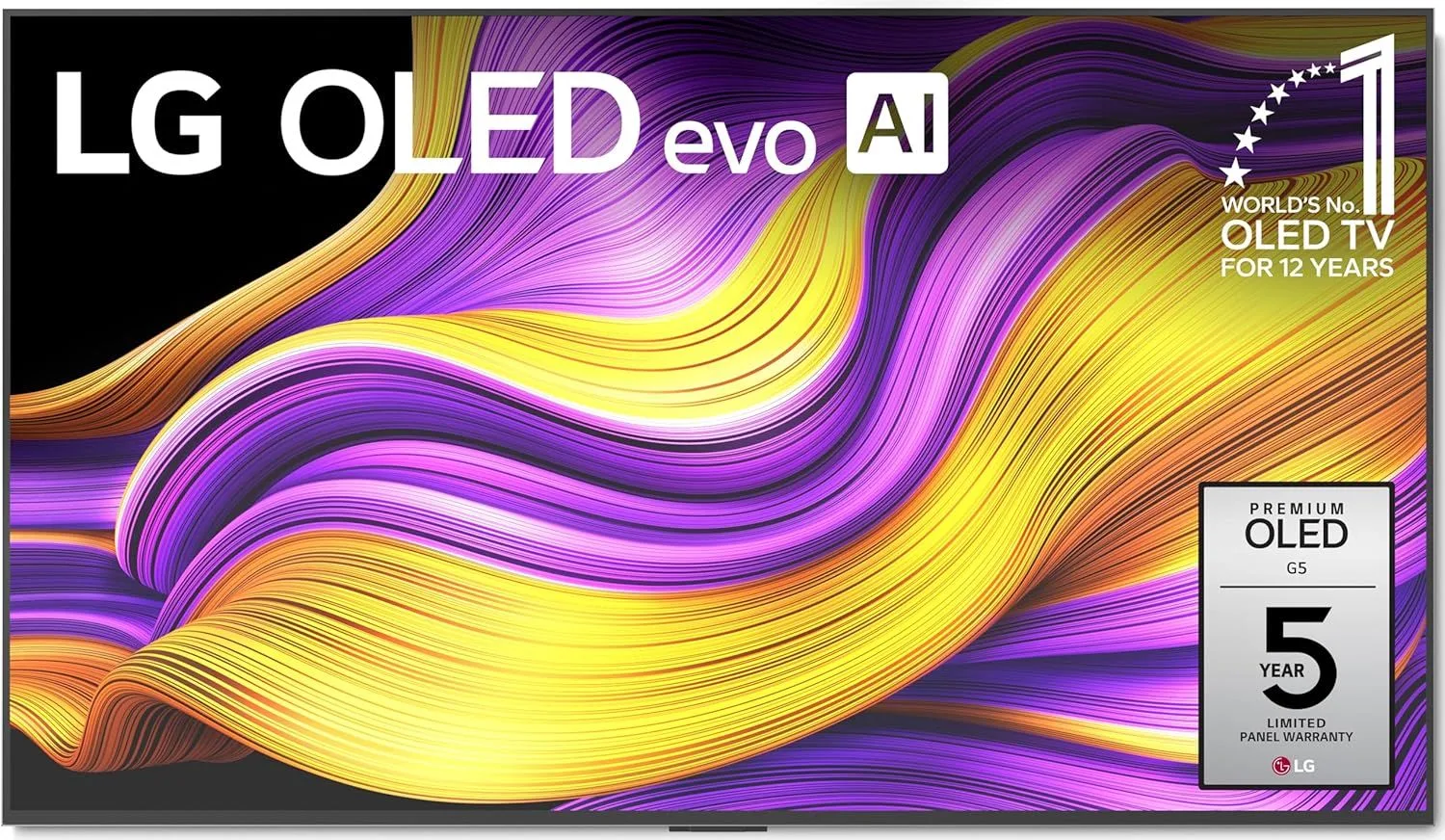
Tandem OLED stacks two layers for double the light output — roughly 1800 nits. This solves OLED's traditional weakness: HDR highlight brightness. The LG 55" OLED G5 is a premium investment, but it's the only OLED that can match Mini-LED's punch in bright scenes while maintaining perfect blacks.
Read our full LG 55" OLED G5 review
3. TCL 65" QM7K QD-Mini LED 144Hz Smart TV — Best Mini-LED for Movies
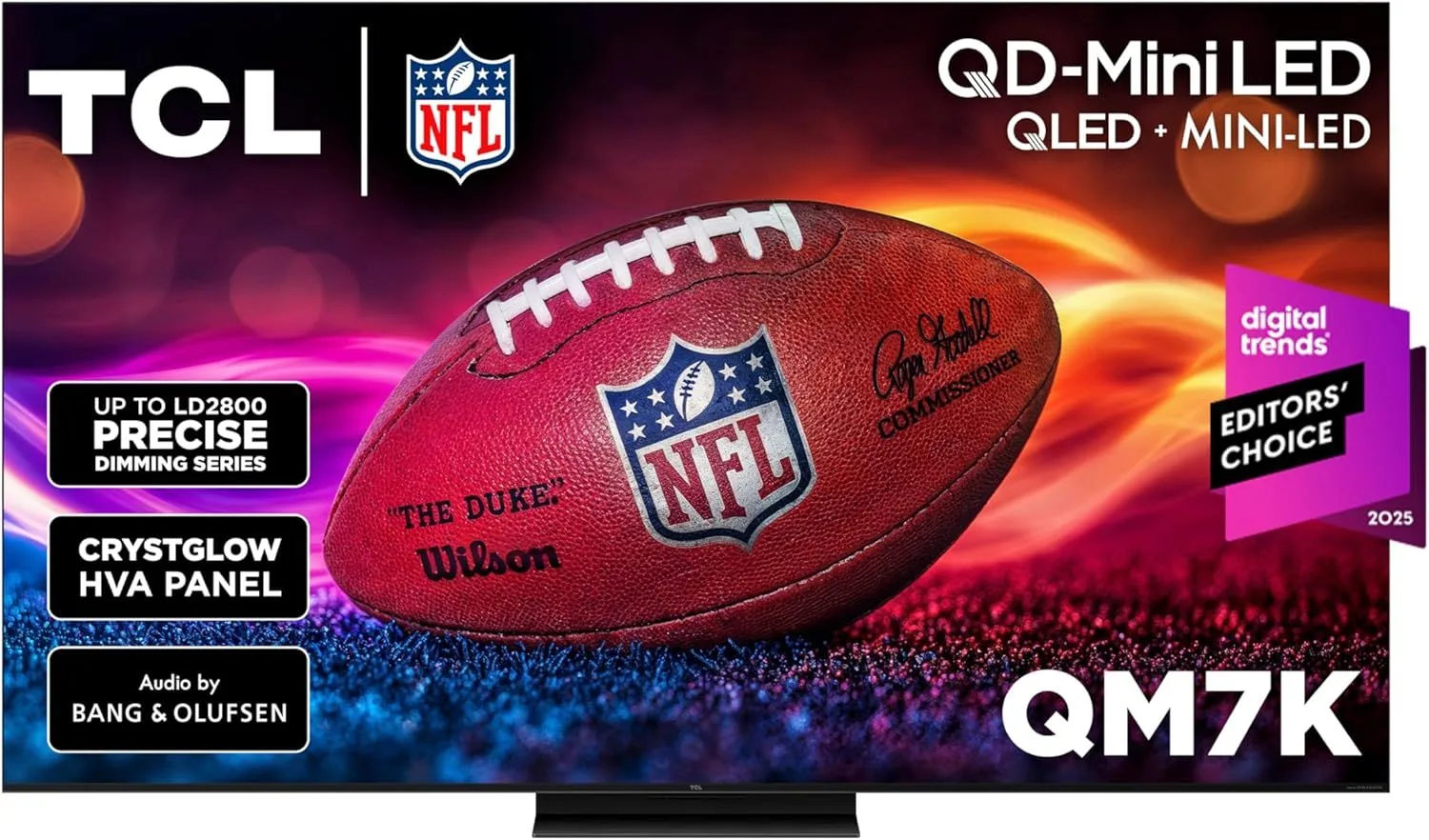
Over 1000 dimming zones and 2000 nits of peak brightness make the TCL 65" QM7K the top Mini-LED pick for movies. HDR highlights are explosive, and the zone count is high enough to minimize blooming during dark scenes. Priced in the $800–$1,200 range, it trades OLED's perfect blacks for superior brightness.
Read our full TCL 65" QM7K review
4. Sony 55" BRAVIA 3 4K LED Smart Google TV — Best Color Accuracy on a Budget
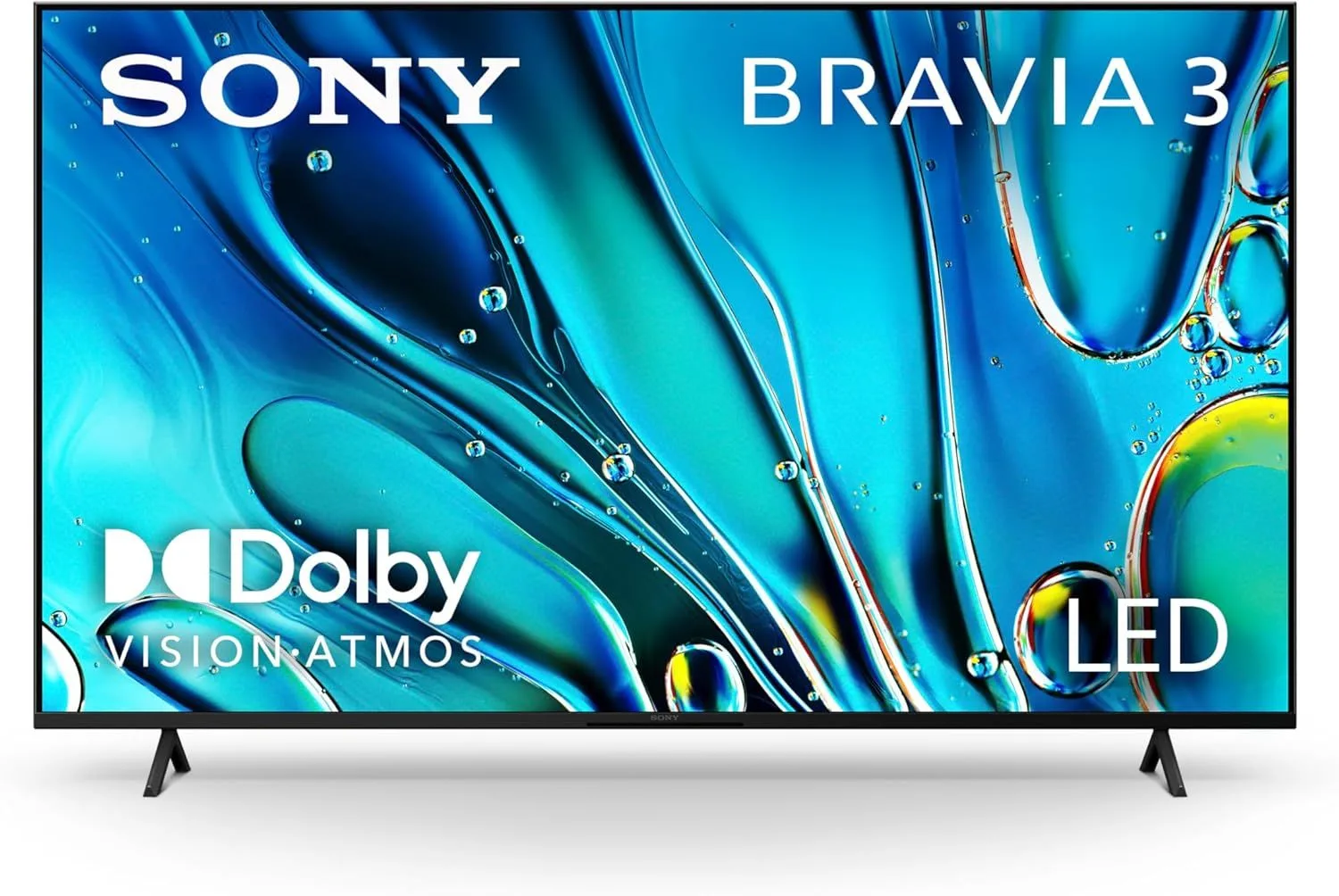
Sony's X1 processor delivers the best upscaling and color accuracy at the $500–$800 level. If you watch a lot of older films or SD content, the Sony 55" BRAVIA 3 makes lower-resolution sources look significantly better than any competitor in its class. The trade-off is 60Hz — fine for movies, limiting for gaming.
Read our full Sony 55" BRAVIA 3 review
5. Hisense 75" E6 Cinema Series Hi-QLED Smart Fire TV — Cinema Experience on a Budget
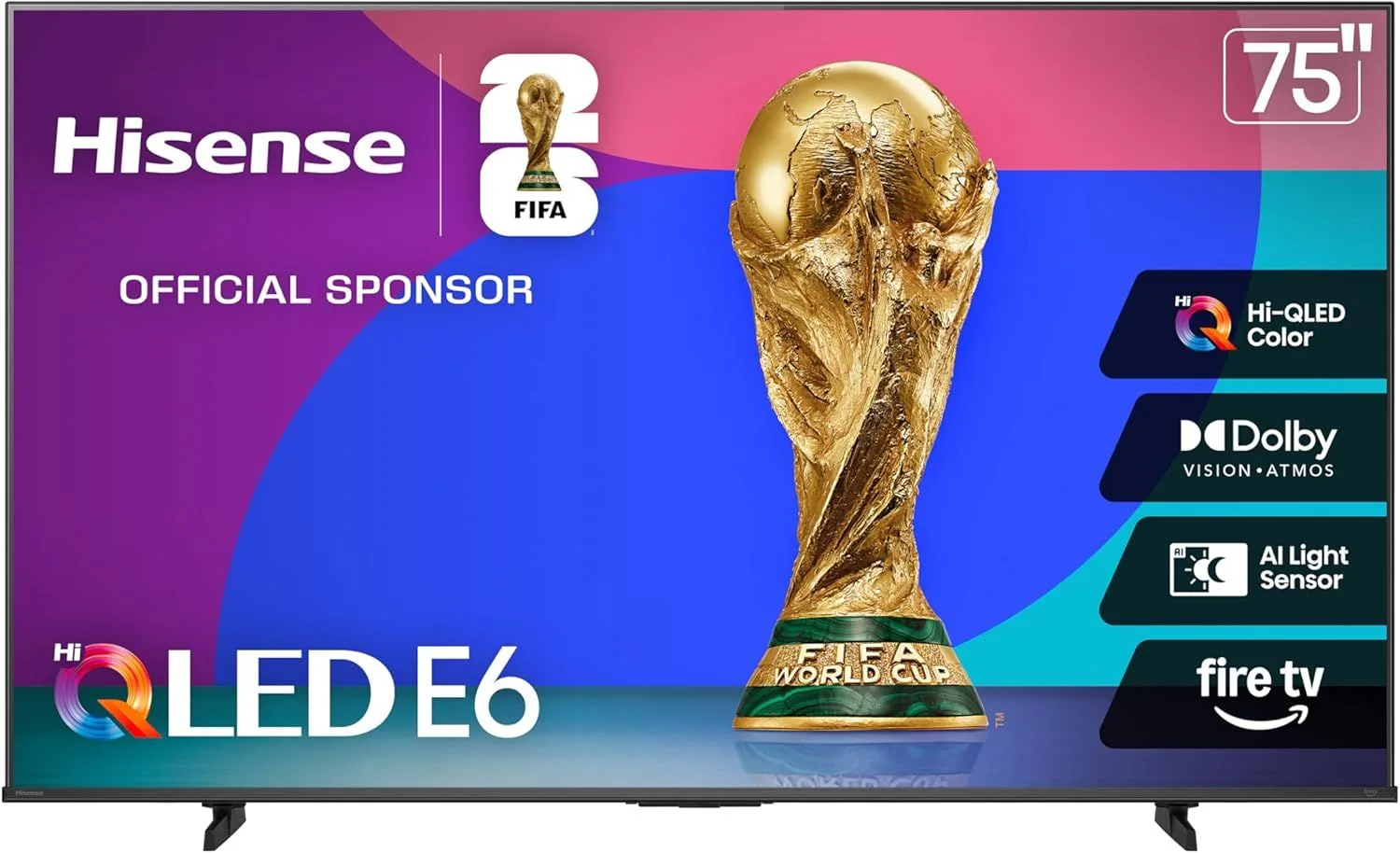
A 75-inch QLED with Filmmaker Mode and Dolby Vision for under $300–$500. The Hisense 75" E6 Cinema doesn't have the contrast or zone count of premium options, but the sheer screen size creates an immersive viewing experience that smaller TVs simply cannot replicate.
Read our full Hisense 75" E6 Cinema review
Home Theater Calibration Tips
Filmmaker Mode preserves the original frame rate (24fps for most films), disables motion smoothing, and uses the movie's intended color temperature. It's the closest you'll get to seeing what the director saw in the color grading suite.
Disable dynamic brightness. Features like Samsung's "Adaptive Brightness" or LG's "AI Brightness" adjust the TV's backlight based on ambient room light. Great for casual viewing, but they interfere with the director's intended brightness levels during movies. Turn them off for film night.
A mediocre soundbar will still outperform any TV's built-in speakers for movie dialogue and bass. If budget is tight, prioritize a soundbar with a wireless subwoofer over upgrading the TV — better audio transforms the experience more than an extra 200 nits of brightness.
Frequently Asked Questions
Is OLED really that much better for movies?
For dark-room movie watching, yes. OLED produces perfect blacks by turning off individual pixels, which creates infinite contrast. Dark scenes — space sequences in Interstellar, night battles in Game of Thrones — look visibly superior on OLED compared to any LCD-based technology. The gap narrows in bright rooms where Mini-LED's higher peak brightness compensates.
What is Filmmaker Mode and should I use it?
Filmmaker Mode disables all post-processing — motion smoothing, noise reduction, color enhancement — so you see the film exactly as the director intended. It preserves the original frame rate and color space. Use it for movies; switch to a different mode for sports or gaming.
Does Dolby Vision matter for movie watching?
Dolby Vision is the most advanced HDR format, with scene-by-scene dynamic metadata that optimizes brightness and color for your specific TV. Netflix, Disney+, and Apple TV+ all stream in Dolby Vision. If your TV supports it, the improvement in HDR movies is visible.
How important is a soundbar for a home theater setup?
Critical. No flat-panel TV produces cinema-quality sound. A decent soundbar with a subwoofer transforms dialogue clarity and bass response. If you're investing in a premium TV for movies, budget at least 20-30% of the TV cost for audio.
What size TV should I get for a home theater?
For a dedicated home theater room, go as large as your wall and budget allow. At 8-10 feet viewing distance, a 65" screen is the minimum for an immersive cinematic feel. 75" is better. If you're sitting 12+ feet away, consider an 85" or a projector.
Build Your Home Theater
For the purest movie experience, the LG 55" OLED C5 sets the standard with perfect blacks and Dolby Vision. If brightness matters more — for a room that isn't completely dark — the TCL 65" QM7K delivers explosive HDR highlights at a lower price.
The TV We'd Buy
For movies, our #1 recommendation:
LG 65" OLED C5 Perfect blacks and infinite contrast — the gold standard for cinematic viewing Read Full Review →Compare the Best TVs for Movies
Get Our Top 3 Picks
Get our top 3 picks for your budget — one email, then only updates.
Only when something changes. Unsubscribe anytime.